10 Essential Tips for Choosing the Right Din Globe Valves
Choosing the right Din Globe Valves can significantly impact your project's efficiency and reliability. As John Smith, a leading industry expert, puts it, "Selecting the right valve is crucial for a well-functioning system." With decades of experience in valve technology, Smith emphasizes the importance of understanding specific requirements.
Din Globe Valves are widely used in various applications, from water supply to industrial processes. Their design allows for precise flow regulation, making them a preferred choice among engineers. However, many factors influence the selection process. Users often overlook elements like material compatibility and pressure ratings, which can lead to costly mistakes.
It is essential to reflect on the unique needs of your application. What works for one system may not work for another. Evaluating performance, durability, and operational conditions can guide you toward making informed decisions. Approaching the selection of Din Globe Valves thoughtfully will ensure that your system operates efficiently and reliably.
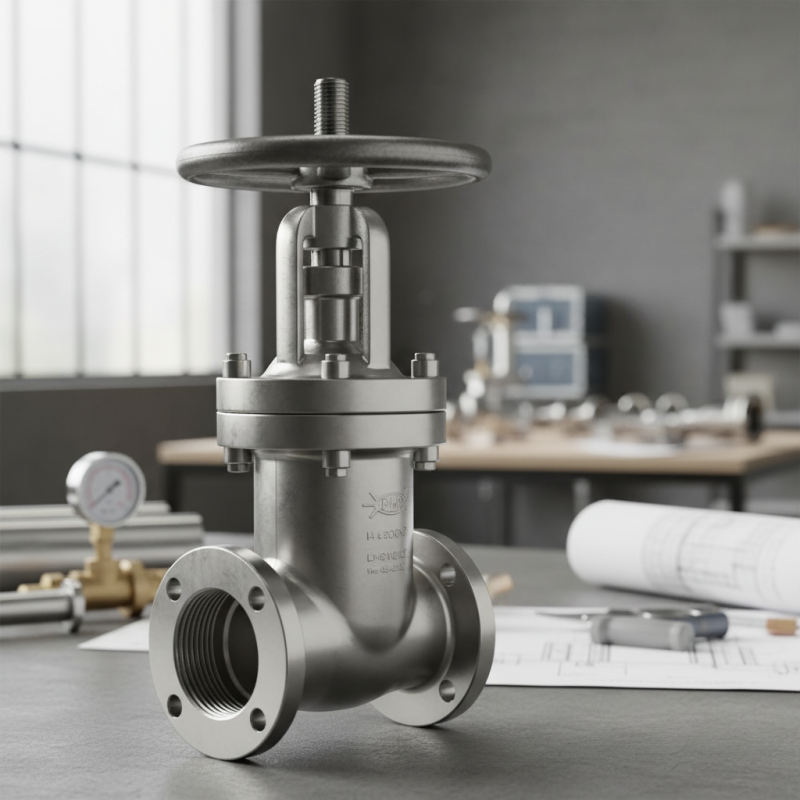
Understanding the Basics of DIN Globe Valves and Their Applications
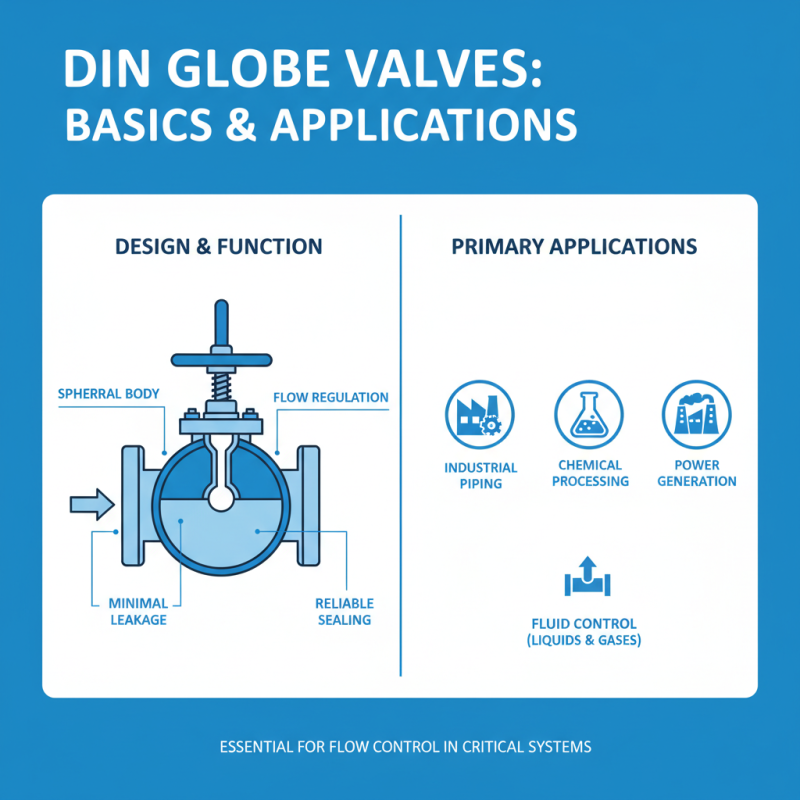
DIN globe valves are crucial components in various piping systems. They control the flow of liquids and gases, making them integral to industrial applications. Understanding their design and function helps in making informed choices. These valves typically feature a spherical body shape. This design allows for effective regulation of flow. The seating area minimizes leakage, enhancing reliability.
When selecting DIN globe valves, consider pressure and temperature ratings. Each valve is rated for specific conditions. Using a valve beyond its rating can lead to failure. Also, pay attention to materials. Materials directly impact durability and compatibility with different media. Incompatible materials can lead to corrosion and leaks, which are costly.
The installation process can be tricky. Improper installation may result in malfunctioning valves. It's important to follow manufacturer guidelines diligently. Regular maintenance checks are necessary to ensure longevity. However, many overlook this step. Ignoring maintenance can cause small issues to escalate. The complexities of DIN globe valves require attention but offer valuable control when properly managed.
Key Factors to Consider When Selecting DIN Globe Valves
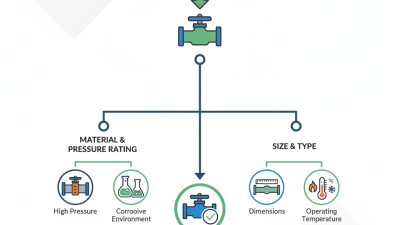
When selecting DIN globe valves, there are key factors to prioritize. One essential aspect is the valve’s material. Choosing the right material ensures durability and resistance to corrosion. According to industry reports, stainless steel valves can enhance longevity in harsh environments.
Another crucial element is pressure rating. A valve must endure the specific pressure demands of your application. Research shows that approximately 30% of valve failures relate to inadequate pressure specifications. This highlights the importance of matching the valve to the system’s requirements.
Tip: Always verify the compatibility of the valve with the fluids it will regulate. Fluid properties can significantly affect valve performance and lifespan.
Sizing is equally vital. An incorrectly sized valve can lead to inefficient flow and increased energy costs. Studies indicate that improper sizing can reduce system performance by up to 20%.
Tip: Conduct a flow analysis before finalizing your choice. This ensures that you select a valve that meets both capacity and operational needs.
Understanding these factors can guide you in making a more informed decision when choosing DIN globe valves. Be cautious and reflect on each requirement to avoid common pitfalls.
10 Essential Tips for Choosing the Right DIN Globe Valves - Key Factors to Consider When Selecting DIN Globe Valves
| Factor |
Description |
| 1. Material |
Choose materials that are compatible with your fluid type and operating conditions. |
| 2. Pressure Rating |
Ensure the valve can withstand the maximum pressure of your system. |
| 3. Size |
Select the appropriate size to match the piping dimensions. |
| 4. Flow Characteristics |
Consider how the valve design affects flow efficiency and control. |
| 5. Seal Type |
Choose the correct seal type to prevent leaks and ensure longevity. |
| 6. Actuation Method |
Determine if manual or automated actuation is more suitable. |
| 7. Temperature Range |
Ensure the valve materials can handle the operating temperature. |
| 8. Certification Standards |
Check compliance with relevant industry standards for safety and performance. |
| 9. Maintenance Requirements |
Consider the ease of maintenance and availability of replacement parts. |
| 10. Cost |
Evaluate the budget while considering the total cost of ownership. |
Material Selection: Choosing the Right Construction for Your Needs
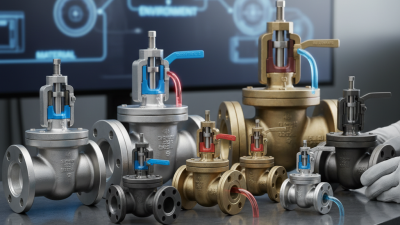
Choosing the right material for DIN globe valves is critical. The valve's performance depends significantly on the material's durability and resistance to various environmental conditions. According to industry reports, over 40% of valve failures can be traced back to improper material selection. Materials such as stainless steel, cast iron, and PVC each have distinct advantages. Stainless steel offers exceptional corrosion resistance, making it ideal for harsh environments. On the other hand, cast iron is often used in heating applications due to its thermal properties.
Consider the fluid type and temperature when selecting materials. For example, PVC handles acidic fluids well but may not withstand high temperatures. Conversely, stainless steel can operate effectively in extreme temperatures. The choice should also reflect the pipeline’s pressure requirements. Reports indicate that nearly 30% of installed valves do not meet pressure specifications, leading to potential failures. Understanding these nuances helps in making informed decisions.
Evaluating the manufacturing standards is equally important. Look for valves that adhere to recognized standards, such as ISO or ASME. This ensures reliability and accountability in performance. Connecting with experienced professionals can provide insights into the latest material advancements. Mistakes in material selection can have costly repercussions. Relying on outdated information or trends might result in incorrect choices. Staying updated with industry data is essential for selecting the best material for your needs.
Sizing and Pressure Ratings: Ensuring Optimal Performance
When selecting din globe valves, sizing and pressure ratings play a crucial role in ensuring optimal performance. Accurate sizing determines how well a valve can control fluid flow. Oversized valves may lead to inefficiencies, while undersized options can cause pressure drops. A proper fit ensures stability in operation. Knowing the pipeline's flow requirements is key to making an informed choice.
Pressure ratings are equally significant. They indicate how much pressure a valve can withstand. Choosing a valve with an inadequate pressure rating can result in catastrophic failures. It's essential to assess the working conditions. This includes understanding the maximum and minimum pressure levels in your system. Incorrect assumptions can lead to serious repercussions.
Consideration of both factors aids in achieving reliability. Regularly reviewing your valve selections could save time and money in the long run. Maintenance and performance evaluations are necessary to ensure that your initial choices align with operational demands. Overlooking these aspects may result in costly repairs and downtime. Keep these points in mind when selecting your din globe valves.
Common Mistakes to Avoid When Choosing DIN Globe Valves
Choosing the right DIN globe valves can be challenging. Many make the mistake of overlooking the valve's pressure rating. Ensure it matches your system's requirements. A mismatch can lead to leaks or failures. Performance is critical.
Another common error is neglecting material compatibility. Different fluids require specific materials. Failing to consider this can result in corrosion. This not only impacts valve lifespan but also safety.
Often, buyers focus on price alone. While cost-effective options are tempting, they may not offer durability. Invest in quality to avoid frequent replacements. Lastly, consult with experts. Their insights can guide you in making informed choices.
10 Essential Tips for Choosing the Right DIN Globe Valves




 Zalo
Zalo