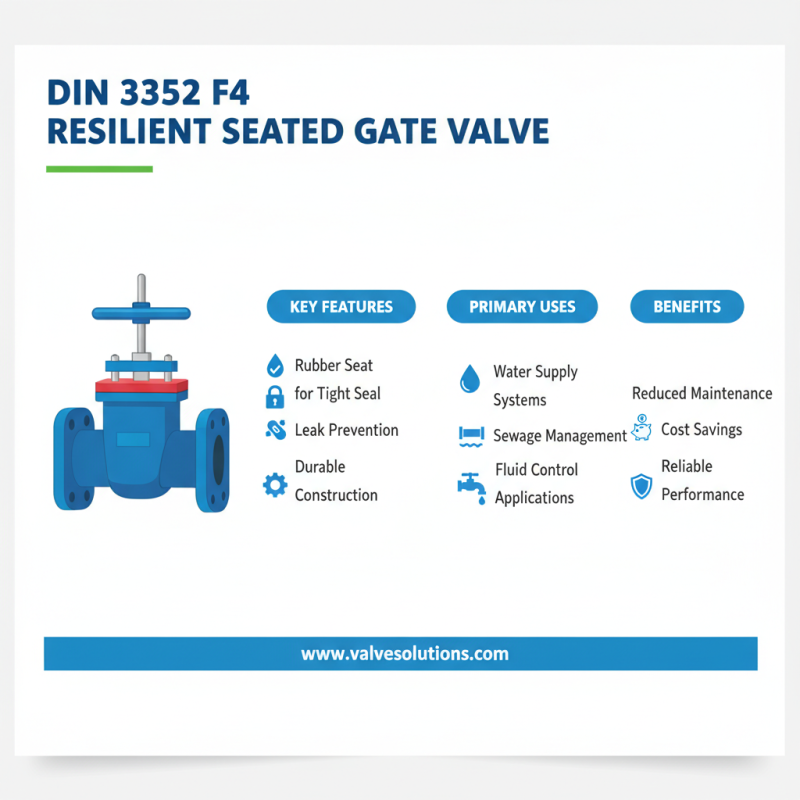
What is Din 3352 F4 Resilient Seated Gate Valve and Its Applications?
The Din 3352 F4 Resilient Seated Gate Valve is a crucial component in modern fluid control systems. This valve type is known for its reliable performance and durability under various conditions. According to industry reports, the global valve market is projected to grow significantly, with resilient seated gate valves being a popular choice due to their cost-effectiveness and efficient sealing capabilities.
In applications across water supply, irrigation, and industrial systems, Din 3352 F4 valves excel at controlling flow and pressure. Their design allows for minimal leakage, which is vital in reducing water waste and maintaining system integrity. Studies show that these valves can reduce maintenance costs by up to 30% compared to traditional valves. However, companies must regularly assess valve performance to avoid potential failures.
Despite their advantages, not all installations are perfect. Improper sizing or installation can lead to inefficiencies. It is essential for engineers to choose the right valve for specific application needs. The Din 3352 F4 Resilient Seated Gate Valve represents both innovation and challenges in the valve industry. Balancing performance with reliability remains a key consideration for engineers and stakeholders alike.
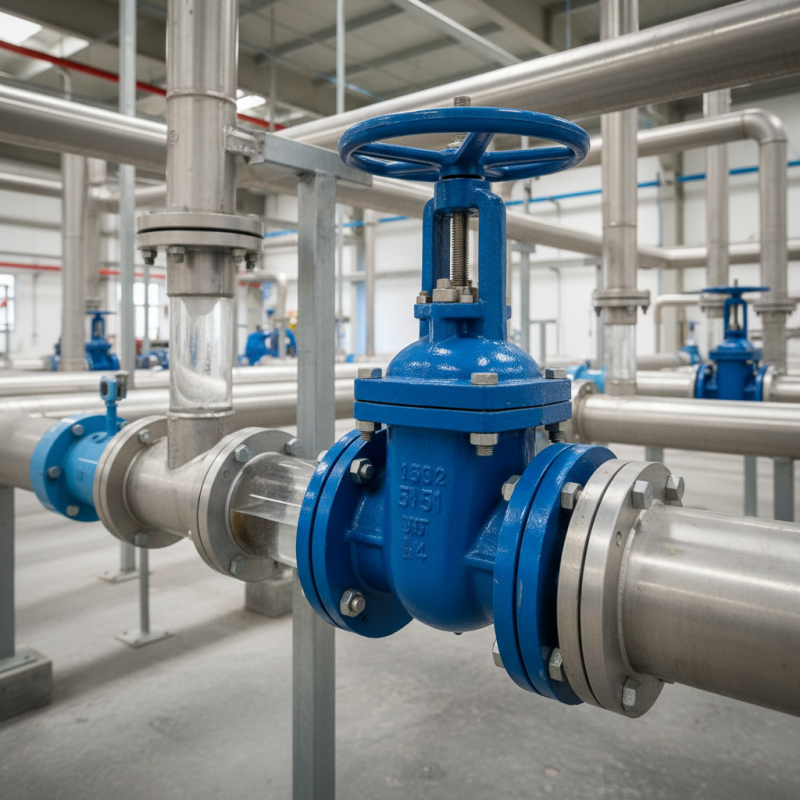
What is a Din 3352 F4 Resilient Seated Gate Valve?
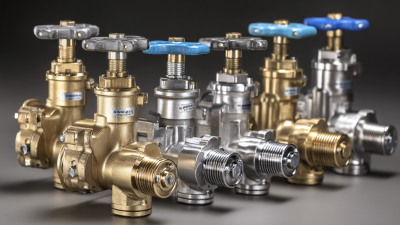
A Din 3352 F4 Resilient Seated Gate Valve is designed for various industrial applications. Its main feature is a resilient seat. This seat is made from materials like EPDM or NBR, enhancing durability and sealing efficiency. The valve operates by lifting a gate out of the flow path, allowing for full flow when open.
These valves are commonly used in water and wastewater treatment plants. According to industry reports, around 40% of all gate valves installed globally are resilient seated models. They provide excellent performance under varying pressures. Many facilities favor them due to their cost-effectiveness and ease of installation. Regular maintenance and inspection of these valves are crucial. Neglect can lead to leaks and performance issues.
Despite their advantages, challenges exist. The material can wear over time due to constant flow and pressure changes. In some cases, users report difficulty in achieving a complete seal after prolonged use. This highlights the importance of choosing quality materials and proper maintenance protocols to ensure longevity. Regular evaluations of valve performance can help mitigate these issues.
Key Features of Din 3352 F4 Resilient Seated Gate Valve
The Din 3352 F4 resilient seated gate valve is widely recognized in various industries for its robust design and efficiency. One key feature is its ability to maintain a tight seal, minimizing leaks. Reports indicate that these valves can reduce flow loss by up to 20%, enhancing system efficiency. Their durable elastomeric sealing can withstand extreme temperatures, making them suitable for multiple applications.
Another notable characteristic is their ease of operation. The valve design allows for smooth opening and closing. This reduces wear over time and extends the valve's lifespan. Additionally, there is a focus on maintenance. Some reports suggest that resilient seated gate valves require less frequent service, promoting cost savings for operators. However, some users have noted the importance of routine checks, as performance can deteriorate without proper care.
In the realm of water supply systems, the Din 3352 F4 plays a critical role. It is extensively utilized in municipal water systems and wastewater management. The valve's compatibility with different pipeline materials boosts its versatility. Nevertheless, while it performs well under standard conditions, fluctuations in water quality can impact its sealing effectiveness. This highlights the necessity for ongoing evaluations in varying environments.
Applications and Key Features of DIN 3352 F4 Resilient Seated Gate Valve
Typical Applications of Din 3352 F4 Resilient Seated Gate Valve
The Din 3352 F4 resilient seated gate valve is widely used in various sectors. Its design allows for reliable performance in fluid control applications. This valve type is particularly suited for water supply systems and sewage management. Its rubber seat provides a tight seal, preventing leaks. This feature reduces maintenance and conservation costs.
Additionally, these valves find applications in irrigation systems. They play a crucial role in regulating water flow to crops. Their durable construction withstands harsh conditions. Frequent exposure to soil and water does not compromise their function. Each installation of this valve can improve irrigation efficiency.
**Tip:** Regular inspections of your valves can prevent unexpected failures. Small issues can lead to significant problems over time. Also, consider environmental impacts when choosing valve materials.
In industrial settings, the Din 3352 F4 valve is valuable. It manages pressure in pipelines, ensuring safe operations. Sometimes, users may overlook maintenance. This can lead to diminished performance. Remember, proactive care is essential for longevity.
Advantages of Using Din 3352 F4 Resilient Seated Gate Valve
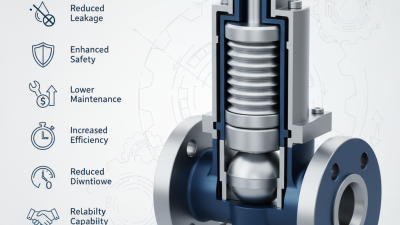
The Din 3352 F4 resilient seated gate valve is gaining popularity in various industries. It offers numerous advantages that are reshaping how fluid systems operate. One key benefit is its excellent sealing capability. This feature helps prevent leaks, which can lead to significant environmental and financial concerns. The use of resilient materials ensures that the valve maintains its performance under pressure. According to a recent industry report, valves that provide reliable sealing can reduce leakage rates by up to 80%.
In addition to leakage reduction, these valves are weight lightweight and easy to install. This characteristic can significantly decrease the labor costs associated with maintenance. Resilient seated gate valves are also highly durable. They resist corrosion and wear from different fluid types. A study showed that using these valves can extend operational life by 30%. However, some users have noted that proper installation is crucial for full performance. Incorrect setups can negate the advantages of these valves.
Moreover, resistance to high temperatures is another notable advantage. This makes them suitable for various applications, from water distribution to industrial processes. Yet, challenges remain in extreme conditions. Users need to understand their working environment to maximize efficiency. There’s always room for improvement in terms of design and material selection. Addressing these areas can lead to even better performance and reliability in the future.
Maintenance and Troubleshooting of Din 3352 F4 Resilient Seated Gate Valve
Maintaining a Din 3352 F4 resilient seated gate valve involves regular checks and simple troubleshooting steps. Inspect the valves often for leaks. Check seals and connections for wear or damage. If you notice dripping, it’s a sign to act quickly. Ignoring leaks can lead to more significant damage and costly repairs.
Tips: Always keep a maintenance log. Document each inspection and repair, even minor ones. This helps track the valve's performance over time.
When faced with a problem, such as the valve failing to open or close, first, look for debris. Sometimes, dirt obstructs the seating area. A simple cleaning might solve the issue. If the valve still does not operate, consider the actuator. Ensure it functions correctly; a malfunction there can create frustration.
Tips: Use silicone grease on seals. It minimizes wear and extends the valve's life. But don’t overdo it; excess grease can attract more dirt. Regular maintenance is crucial for optimal performance. Neglecting even minor issues can lead to unexpected failures.




 Zalo
Zalo