Digital Tips for Choosing Din Bellows Sealed Gate Valves?
When selecting Din Bellows Sealed Gate Valves, many factors come into play. These valves are crucial in various industrial applications. Their design features ensure reliability and durability.
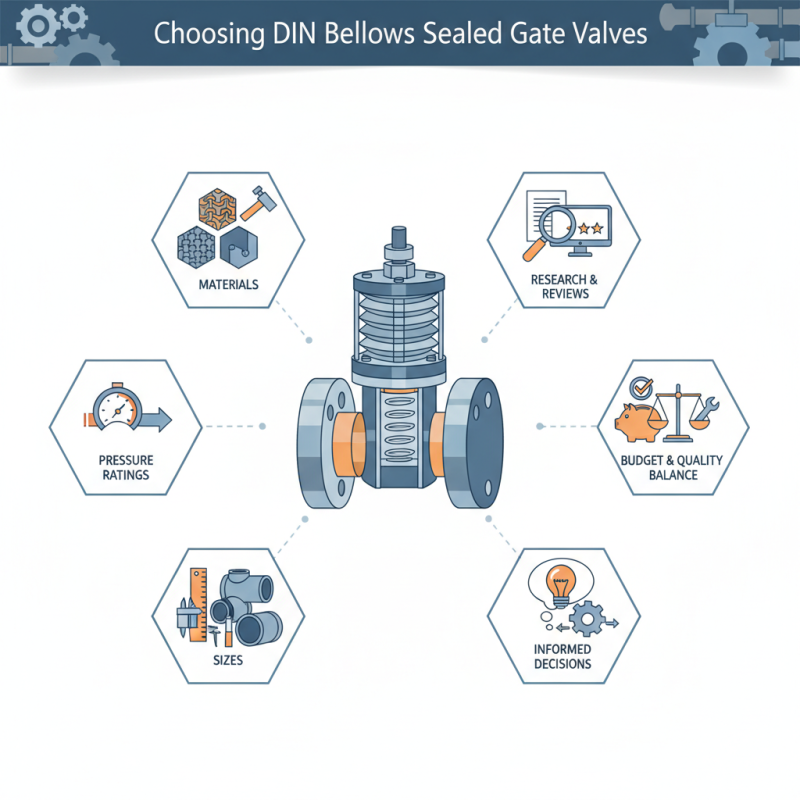
Choosing the right valve can be challenging. Customers often overlook specific details. It's essential to consider materials, pressure ratings, and sizes. Each aspect influences performance and longevity.
Not all suppliers offer the same quality. Some may provide misleading information. It's wise to research and gather reviews. Balancing budget and quality is vital for success. Make sure to make informed decisions.
Understanding Din Bellows Sealed Gate Valves and Their Applications
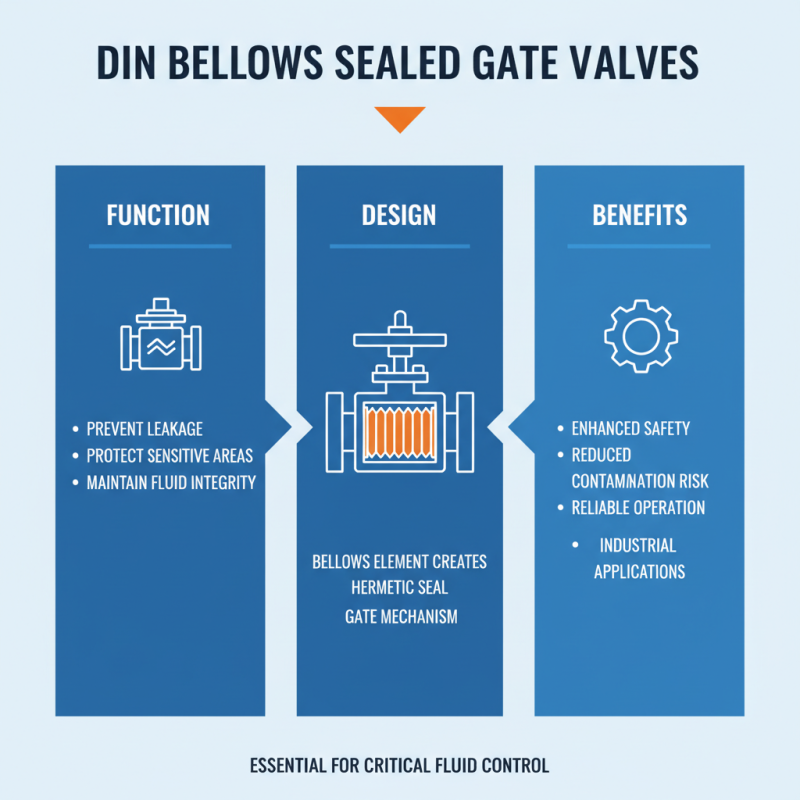
Din bellows sealed gate valves are essential components in many industrial applications. They prevent leakage and protect sensitive areas from contamination. The design includes bellows, which create a tight seal. This is crucial in situations where fluid integrity is a priority.
Choosing the right valve requires understanding its applications. For high-pressure systems, durability is key. In industries like pharmaceuticals or food processing, hygiene matters greatly. The construction material should resist corrosion. Operators must consider temperature ranges as well. Even minor oversights can lead to failures.
Not all bellows sealed gate valves are created equal. Some may not perform well under extreme conditions. Users must evaluate past performance and reliability. It’s important to seek feedback from professionals. This can reveal specific insights that guide better decisions. Ultimately, the right valve choice enhances system efficiency and safety.
Key Features of Din Bellows Sealed Gate Valves to Consider
When selecting DIN bellows sealed gate valves, several key features come into play. First, it's important to consider the material of construction. High-quality materials ensure durability and resistance to corrosion. Stainless steel and bronze are popular choices, offering a good balance between strength and flexibility. Pay attention to the valve's size and pressure rating. Matching these specifications to your system requirements is crucial.
Another aspect to reflect on is the design of the bellows. A well-designed bellows serves as a tight seal, minimizing leakage. It should maintain flexibility while withstanding high pressures. Look for features like welded or mechanically attached bellows. These can influence the valve’s performance and lifespan.
Additionally, check the flow characteristics of the valve. Proper flow design can reduce turbulence and energy loss. This is often overlooked, but it can have a significant impact on overall system efficiency. Users sometimes focus too much on pricing; however, the long-term savings from quality valves can outweigh the initial cost. Making the right choice is not always easy. It's worth taking time to evaluate all these aspects.
Technical Specifications to Review When Choosing Din Bellows Valves
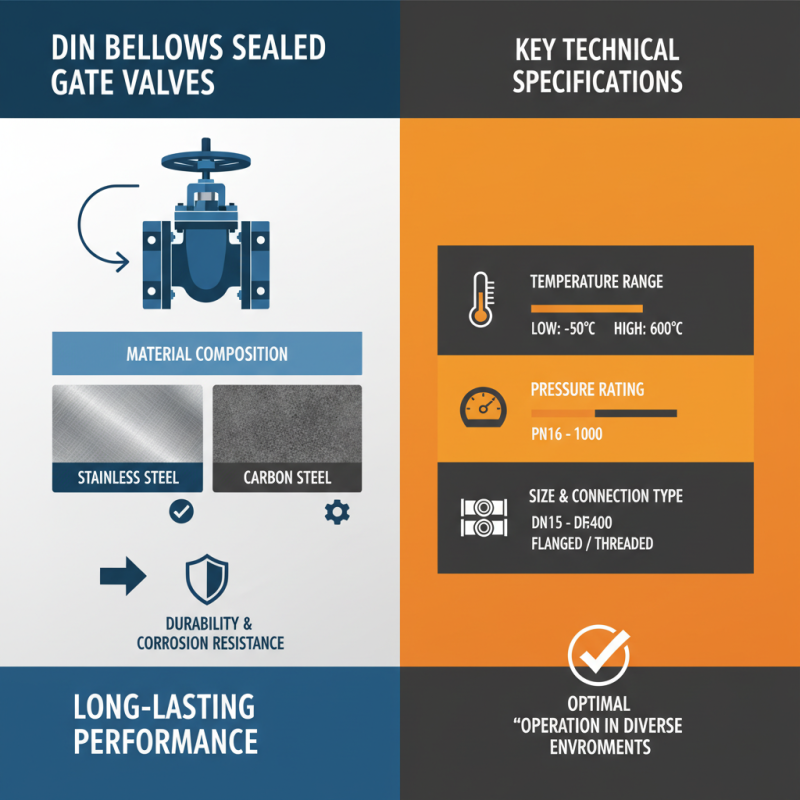
When selecting DIN bellows sealed gate valves, it's vital to review specific technical specifications. Start with the material composition. Common choices include stainless steel or carbon steel. The right material impacts the valve's durability and resistance to corrosion. It ensures long-lasting performance in diverse environments.
Next, examine the pressure rating. This specification indicates how much pressure the valve can handle. A higher pressure rating often means better performance in high-stress applications. Ensure the valve matches your system's requirements to avoid failures. Many overlook this aspect, leading to costly repairs and downtime.
Finally, pay attention to the size and connection type. Matching sizes with pipeline dimensions is critical. A mismatch can cause leaks or reduced efficiency. Valves should fit seamlessly within the system. Sometimes, a detailed fitting analysis gets overlooked, resulting in improper installations. Remember, even small details matter. They can significantly impact the long-term success of your applications.
Best Practices for Maintaining Din Bellows Sealed Gate Valves
Maintaining Din bellows sealed gate valves requires attention to detail. Regular inspections are crucial. Look for any signs of wear and tear on the bellows. Minor issues can progress quickly if ignored. It’s vital to check the seals to prevent leaks. A small leak can lead to significant problems in the system.
Proper lubrication is essential for valve longevity. Use the recommended lubricants; this can help reduce friction. Over-lubrication or using the wrong grease can cause malfunctions. It’s important to have a solid schedule for maintenance checks. Frequent little checks are often better than infrequent, exhaustive ones.
Training for personnel who work with these valves may be overlooked. Operation mistakes can lead to costly repairs. Regular training sessions reinforce proper handling techniques. Encourage team members to report any unusual sounds or behaviors. Small changes in performance could indicate larger issues. It’s okay to admit when a valve is not functioning as expected. Understanding how to troubleshoot is key for effective maintenance.
Common Mistakes to Avoid in Selecting Din Bellows Sealed Gate Valves
When selecting DIN bellows sealed gate valves, common mistakes can lead to costly issues. A key error is overlooking the pressure ratings. Research shows that improper pressure ratings account for 25% of valve failures. Ensure you match the valve specifications with your system requirements.
Another frequent mistake involves material selection. Choosing an unsuitable material can cause leaks or damage. In fact, studies indicate that 30%% of valve issues stem from inadequate corrosion resistance. Always consider the environment where the valve will operate.
Tips: Don’t rush the selection process. Take time to compare different materials and their properties. Consult industry standards to avoid falling short. Remember, a small oversight can lead to significant problems later. Investing time now saves costs in the long run. Always double-check compatibility with existing piping systems.




 Zalo
Zalo