How to Choose the Right Din Bellows Sealed Valves for Your Applications?
Choosing the right Din Bellows Sealed Valves for your applications is crucial. These valves offer unique features that cater to various industries. They are designed to prevent leakage, ensuring safety and efficiency.
The material used in Din Bellows Sealed Valves truly matters. Selecting the right material can improve performance and longevity. Consider the pressure and temperature of your application. Not every valve will function perfectly under specific conditions.
Maintenance is also a critical factor. Regular inspections can help avoid unexpected failures. Not all manufacturers provide the same level of quality. Research and user reviews can guide you in making informed choices. Balancing quality with budget considerations may require thoughtful reflection.
Understanding Din Bellows Sealed Valves and Their Applications
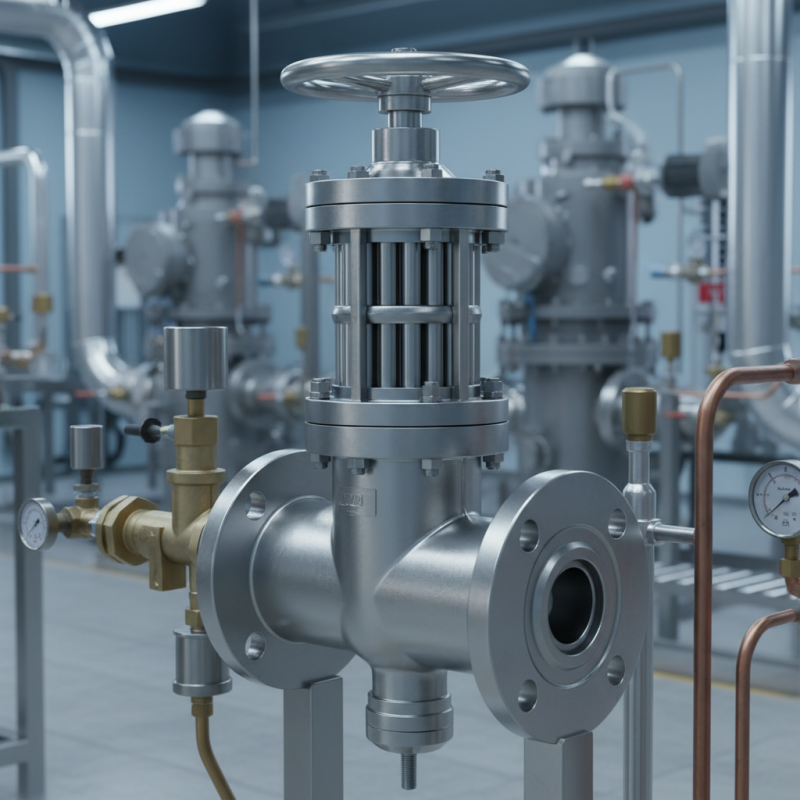
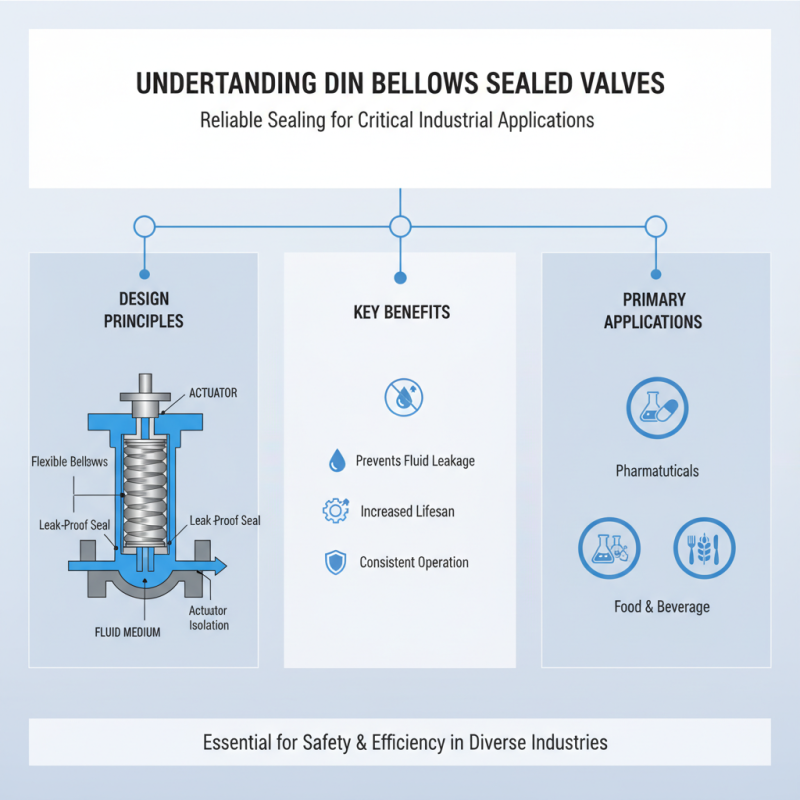
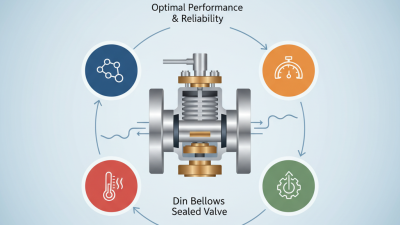
Din bellows sealed valves are essential in many industrial applications. They are designed to provide a reliable seal while preventing leakage of fluid. These valves find use in sectors such as pharmaceuticals, chemicals, and food processing. Their construction includes a flexible bellows that isolates the actuator from the media, enhancing durability and performance.
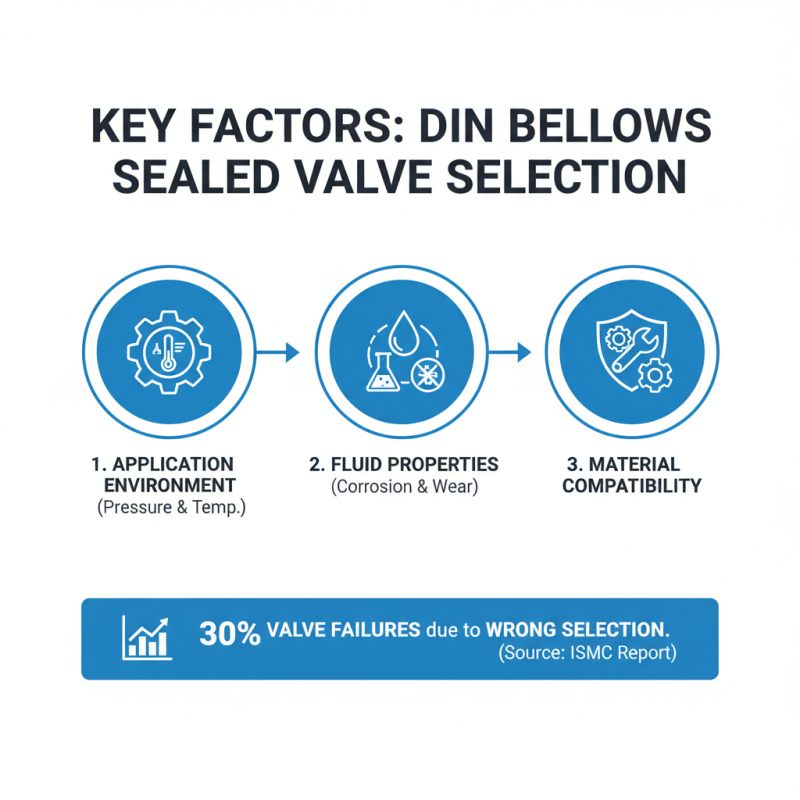
Choosing the right bellows sealed valve requires understanding specific application needs. For example, consider factors like temperature, pressure, and the type of media involved. The right material for the bellows is crucial. Incorrect choices lead to failure and increased costs. Valves might also require regular inspections. Users must assess whether their environment is suitable for bellows sealed designs. This can be challenging but is vital for maintaining efficiency.
Active participation in valve selection can foster better decision-making. At times, manufacturers provide generic guidelines. However, these do not always fit unique situations. It's okay to ask questions or seek expert advice. Reflection on past experiences can improve future selections. Embracing a learning mindset can turn complications into opportunities for growth.
Material Compatibility and Its Importance in Valve Selection
Choosing the right DIN bellows sealed valves requires careful consideration of material compatibility. The materials used in valve construction play a critical role in overall performance. Using the wrong material can lead to failure, leaks, or even hazardous situations.
For instance, if a valve is placed in a corrosive environment, stainless steel or special alloys may be necessary. On the other hand, for less aggressive fluids, plastic options might suffice. It's crucial to assess the fluid's temperature and chemical properties. Some materials may degrade over time, affecting valve functionality. A visual inspection can sometimes reveal signs of wear, but this isn't always foolproof.
Another aspect often overlooked is pressure ratings. Different materials handle pressure variances differently. A valve chosen without considering these ratings might perform well initially but fail under increased pressure. Regular reevaluation of your valve selection is essential. Sometimes, changing operating conditions can necessitate a material review. Understanding these factors can keep systems running smoothly and efficiently.
How to Choose the Right Din Bellows Sealed Valves for Your Applications?
| Material |
Compatibility |
Temperature Range (°C) |
Pressure Rating (bar) |
Applications |
| Stainless Steel |
Excellent with water, steam, and most gases |
-196 to 650 |
Up to 40 |
Chemical processing, oil and gas |
| Brass |
Good for water and low-pressure steam |
-30 to 200 |
Up to 20 |
HVAC systems, water supply |
| PVC |
Suitable for chemical solutions, not for high heat |
0 to 60 |
Up to 10 |
Water treatment, chemical transport |
| Carbon Steel |
Compatible with oil, gas, and some chemicals |
-40 to 250 |
Up to 100 |
Petrochemical, power generation |
Industry Standards and Certifications for Din Bellows Sealed Valves
When selecting Din bellows sealed valves, understanding industry standards and certifications is vital. These standards ensure product reliability and performance in various applications. For instance, ISO 9001 certification indicates quality management practices are in place. According to recent reports, over 75% of industries prioritize certified products to maintain safety and efficiency.
The ASME B16.34 standard addresses valve design, manufacturing, and testing requirements. Compliance with such standards ensures the valves can withstand pressures and temperatures typical in industrial environments. Data shows that non-compliance can lead to failures, causing costly downtime. Interestingly, many companies overlook this aspect, risking their operations.
In addition, the Pressure Equipment Directive (PED) is essential for ensuring safety in Europe. Valves that meet this directive are built to operate safely under pressure. Yet, a survey revealed that 40% of manufacturers don't fully understand these requirements. This gap could pose significant risks, leading to potential hazards. It's crucial to continuously educate teams about these certifications for optimal operation.
Common Applications and Performance Metrics for Din Bellows Sealed Valves
When choosing DIN bellows sealed valves, understanding common applications is crucial. These valves excel in situations requiring leak prevention and pressure control. Industries like pharmaceuticals and chemicals heavily rely on them. They ensure that corrosive materials are contained, safeguarding both workers and the environment. Choosing the right valve improves safety and prolongs system life.
Performance metrics are vital to consider. Look at factors like pressure ratings, temperature limits, and flow coefficients. Each application will demand different specifications. Operating conditions can differ vastly. Sometimes, the materials selected for bellows may not withstand the specific conditions, leading to failures. It's essential to confirm compatibility before making a decision.
**Tips:** Regularly check the performance of valves in service. Monitor for leaks or unusual noises. This could prevent bigger issues later. Always consult with experienced engineers if unsure about specifications. They can guide you through the nuances of selection. Don’t overlook maintenance schedules. Proper upkeep can extend the life of the valves significantly.




 Zalo
Zalo