Why Choose Din 3352 F4 Resilient Seated Gate Valves for Your Projects?
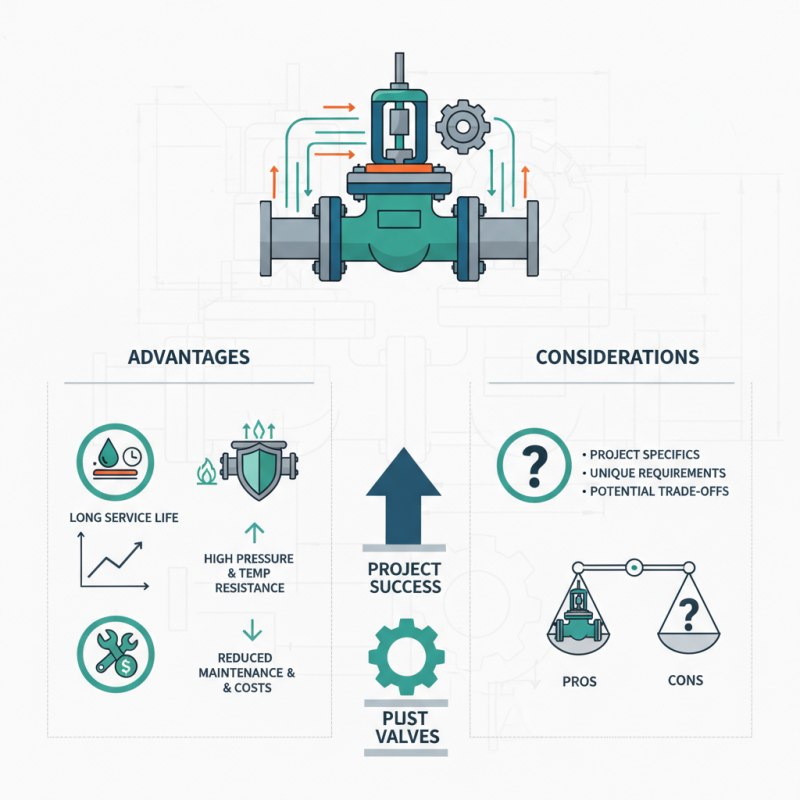
Choosing the right valve for your project can be challenging. Din 3352 F4 Resilient Seated Gate Valves offer numerous advantages that make them a top choice. These valves are designed for reliable performance in various applications. Their resilient seating helps prevent leakage. This ensures a long service life and minimizes maintenance.
These gate valves are engineered with quality materials, which enhance their durability. They withstand high pressure and temperature conditions. This reliability is crucial in industrial settings. Customers report fewer failures and lower replacement costs over time.
However, one must consider the specifics of their project. Not every setting may benefit from Din 3352 F4 Resilient Seated Gate Valves. It's essential to assess your unique requirements. Reflect on the potential trade-offs involved in valve selection.
Understanding Din 3352 F4 Resilient Seated Gate Valves
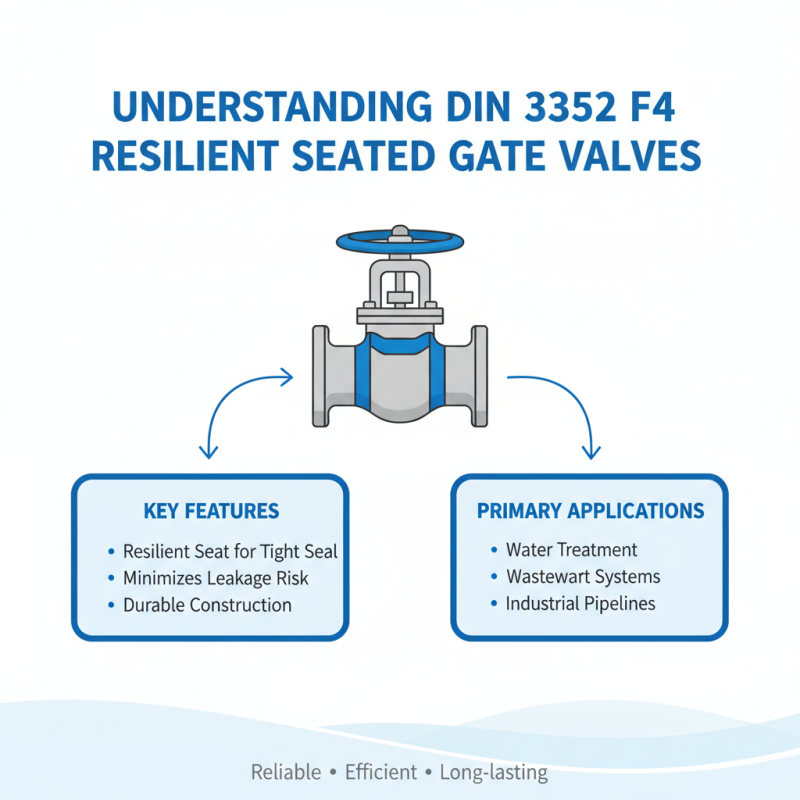
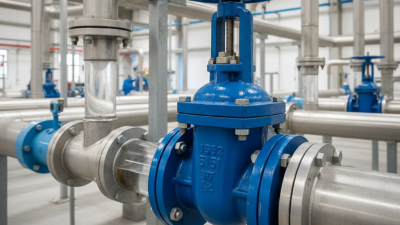
DIN 3352 F4 resilient seated gate valves are essential in various industries. Their design combines functionality with durability. These valves feature a resilient seat that provides a tight seal. This minimizes the risk of leakage, making them reliable for water and wastewater applications.
One of the key advantages of DIN 3352 F4 valves is their ease of maintenance. Their straightforward design allows for quick repairs, which can save time and resources. However, some users may overlook the importance of regular inspections. Neglecting maintenance can lead to unforeseen issues.
Additionally, these valves perform well under different pressures and temperatures. They can adapt to a range of environments, contributing to their versatility. Despite their many benefits, it's crucial to select the right type based on specific project requirements. Not all applications may benefit equally from this type of valve. Proper evaluation is necessary to ensure long-term performance.
Key Features of Din 3352 F4 Valves
Din 3352 F4 resilient seated gate valves are becoming increasingly popular in various projects. Their design allows for effective sealing and minimal leakage. This feature makes them suitable for water, oil, and gas applications. The robust construction ensures longevity in challenging environments. Users often notice reduced maintenance costs over time. Such reliability can lead to greater project efficiency.
These valves offer several key features that enhance their performance. The resilient seating helps prevent leakage and ensures a tight closure. This is crucial for maintaining system integrity. The valves often incorporate a corrosion-resistant coating. This extends their lifespan, particularly in aggressive environments. Ease of operation is another notable aspect. Many users appreciate the smooth opening and closing mechanism.
Yet, not everything is perfect. Some users report challenges with installation. Ensuring the correct alignment can be tricky at times. Additionally, the weight of the valves may pose difficulties in handling. It's important to closely evaluate the specific needs of a project. Engaging professionals during installation often leads to better outcomes. Understanding these nuances is vital for successful implementation.
Comparison of Key Features of Din 3352 F4 Resilient Seated Gate Valves
Benefits of Using Resilient Seated Gate Valves
Resilient seated gate valves offer numerous benefits for various projects. Their design incorporates an elastomeric seat, providing enhanced sealing capabilities. This feature minimizes leakage, ensuring a more reliable operation in pipeline systems.
One notable advantage of these valves is their ease of installation. They are lightweight and can be fitted in tight spaces without complications. This can significantly reduce labor costs and installation time. However, project managers should be aware that improper installation could lead to performance issues. Ensuring correct alignment and securing connections is essential.
Durability is another key factor. Resilient seated gate valves can withstand fluctuating pressures and temperatures. They resist corrosion, making them suitable for water and wastewater applications. Despite these strengths, it's crucial to consider the appropriate material for specific environments. Overlooking this could result in premature failures. This highlights the importance of a thorough assessment when selecting valves for a project.
Why Choose Din 3352 F4 Resilient Seated Gate Valves for Your Projects? - Benefits of Using Resilient Seated Gate Valves
| Feature |
Description |
Benefits |
| Resilient Sealing |
Utilizes rubber or elastomer material for sealing |
Prevents leaks and enhances reliability |
| Low Operating Torque |
Designed for easy maneuverability |
Reduced effort required for operation |
| Durability |
Made with high-quality materials |
Longer lifespan and lower maintenance costs |
| Versatility |
Suitable for various applications in water supply |
Can be used in multiple sectors |
| Cost-Effectiveness |
Competitive pricing compared to other valve types |
Savings on initial investment |
Applications and Use Cases for Din 3352 F4 Valves
Din 3352 F4 resilient seated gate valves are widely utilized in water and wastewater management. Their design supports both reliable sealing and minimal leakage, making them essential in municipal applications. According to industry reports, these valves can handle pressures up to 16 bar. This capability ensures they are suitable for high-pressure situations, often found in large-scale projects.
In industrial settings, their adaptability is noteworthy. These valves are often employed in oil and gas, cooling systems, and chemical processing. A study highlighted that approximately 30% of industrial facilities rely on resilient seated gate valves for their robustness. However, maintenance can sometimes flag due to heavy usage. Regular checks are essential, especially in older systems where wear and tear can lead to failures.
Another interesting aspect is their role in sustainability initiatives. As industries shift towards eco-friendly practices, the need for efficient water management rises. Valves like the Din 3352 F4 contribute significantly to reducing water loss. Nonetheless, users must remain vigilant about selection. The wrong valve type can lead to inefficiencies and unnecessary costs, which are factors that require careful consideration.
Comparison with Other Valve Types in Project Specifications
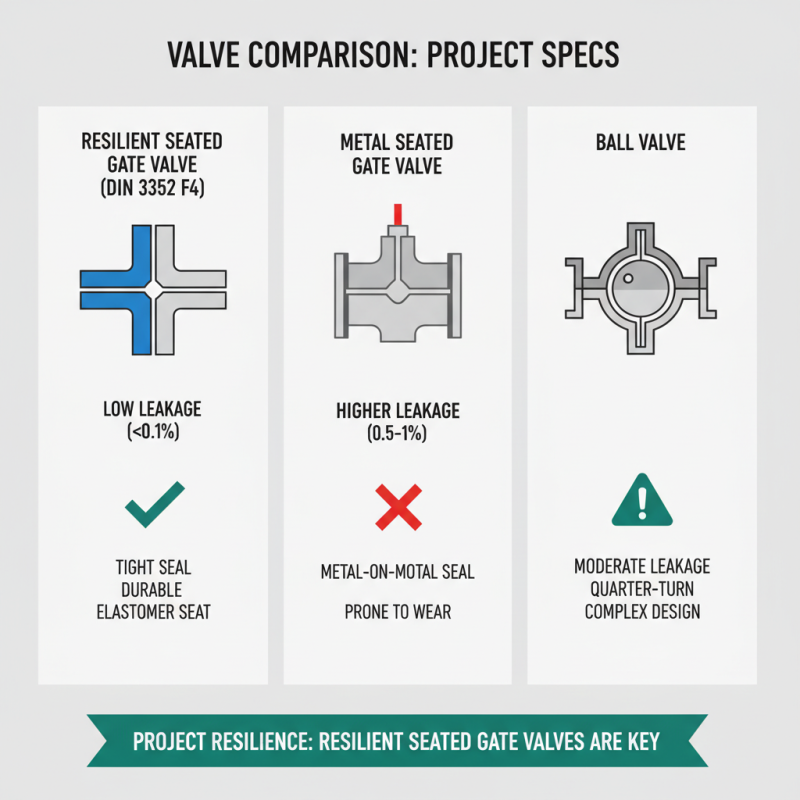
When selecting valves for projects, resilience is key. Din 3352 F4 resilient seated gate valves stand out due to their unique design and functionality. These valves feature a rubber or elastomeric seat that provides a tight seal, minimizing leakage rates during operation. In terms of industry standards, a study by the American Water Works Association (AWWA) shows that resilient seated gate valves have a leakage rate below 0.1% under normal operating conditions.
In comparison with other valve types, such as metal-seated gate valves and globe valves, the Din 3352 F4 offers distinct advantages. Metal-seated valves often struggle in environments with fluctuating temperatures. This can lead to thermal expansion and contract issues, causing leaks. Globe valves, while great for throttling services, possess higher pressure drops and are less efficient in on/off applications. Data from the Canadian Standards Association indicates that resilient seated gate valves have a longer operational lifespan, significantly reducing maintenance costs.
However, considerations arise. The rubber seats can wear out over time, especially under abrasive conditions. Projects with harsh media or high solid content may need alternative solutions. Balancing these factors is crucial. When assessing long-term project needs, an understanding of the specific application environment is essential. Resilient seated gate valves may not be the universal answer but are often an excellent choice for a wide array of scenarios.




 Zalo
Zalo