2026 How to Choose Api Bellows Sealed Globe Valves for Optimal Performance?
When selecting API bellows sealed globe valves, optimal performance is crucial. These valves play a vital role in many industrial applications. They effectively control flow and pressure. The design of API bellows sealed globe valves minimizes leakage. This feature increases safety in critical operations. Understanding the specifications is necessary for success.
Inspecting materials is important. The wrong choice can lead to failures. High-quality materials enhance durability and performance. Consider the operating conditions of your application. Different environments demand different valve specifications. Focus on temperature and pressure ratings. These factors greatly influence performance.
Installation and maintenance should not be overlooked. Proper techniques ensure longevity and efficiency. Many users encounter issues with improper installation. Regular checks can prevent costly failures. Taking time to reflect on these aspects can lead to better decisions. In the end, choosing the right API bellows sealed globe valves requires careful thought and consideration.

Key Factors to Consider When Choosing Bellows Sealed Globe Valves
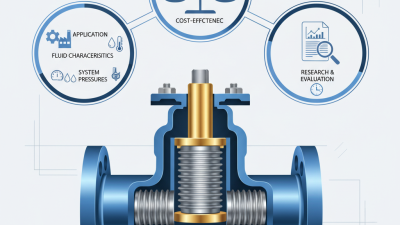
When selecting bellows sealed globe valves, several key factors should guide your decision. First, consider the application requirements. The medium being controlled impacts valve design. For example, corrosive fluids require materials that can withstand harsh environments. According to a recent industry report, nearly 30% of valve failures occur due to chemical corrosion.
Next, look into the pressure and temperature ratings. It’s crucial to choose valves that meet the operational demands of your system. High-pressure applications may necessitate robust materials, while high-temperature systems can benefit from specially designed elastomers. Inconsistent ratings can lead to leaks and inefficiencies.
Lastly, evaluate the ease of maintenance. Valves that require frequent service can incur additional costs. Industry analysis shows that maintenance-related downtime accounts for roughly 20% of operational inefficiencies. Choosing the right valve today could mitigate future issues. Balancing these factors is essential for ensuring optimal performance in various applications.
Key Factors to Consider When Choosing Bellows Sealed Globe Valves
Understanding the Design Features of Bellows Sealed Globe Valves
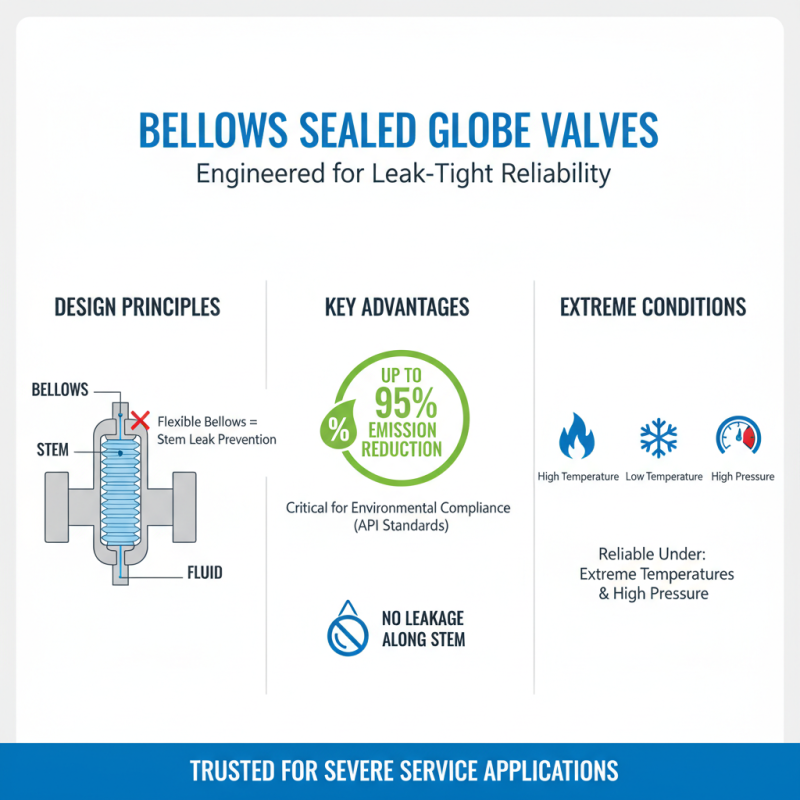
Bellows sealed globe valves are engineered to provide leak-tight functionality under extreme conditions. Their design features include a flexible bellows that separates the stem from the fluid. This direct mechanism prevents leakage along the stem, a common failure point in traditional valves. According to the American Petroleum Institute (API), utilizing bellows sealed valves can reduce emissions by up to 95%, crucial for environmental compliance.
Material selection plays a vital role in performance. Many manufacturers opt for stainless steel or special alloys to withstand corrosion and temperature fluctuations. The flexibility of the bellows often causes designers to choose certain thicknesses for durability. However, thicker bellows may limit movement and responsiveness. Compromises often need to be made in strike zones to balance durability and functionality.
Pressure ratings also require careful consideration. Bellows sealed valves may handle pressures up to 900 psi. However, this can create challenges in high pressure, leading to potential fatigue in the bellows. Data from industry reports highlight failure rates exceeding 10% in certain environments, prompting engineers to reassess designs frequently. Understanding these details is crucial for optimal performance and should never be overlooked.
Evaluating Material Compatibility for Optimal Valve Performance
Choosing the right materials for bellows sealed globe valves is critical. Misalignment in material compatibility can lead to premature valve failure. A study indicates that 50% of valve issues stem from improper material selection. This highlights the need for careful evaluation.
When selecting materials, consider the operating environment. High temperatures may require components made from heat-resistant alloys. Corrosive fluids demand materials that resist chemical degradation. The American Society for Testing and Materials (ASTM) sets relevant standards to guide these choices. Yet, data shows that even with guidelines, 30% of companies choose the wrong materials.
It’s vital to acknowledge that not all materials perform identically. For instance, a common alloy may be suitable for one application but fail in another. Regular testing and monitoring can reveal these discrepancies. Addressing these issues early on can prevent costly downtime. Ignoring material compatibility may lead to serious operational setbacks. Proper evaluation strategies are essential for optimal performance in valve applications.
Assessing Pressure and Temperature Ratings for Globe Valves
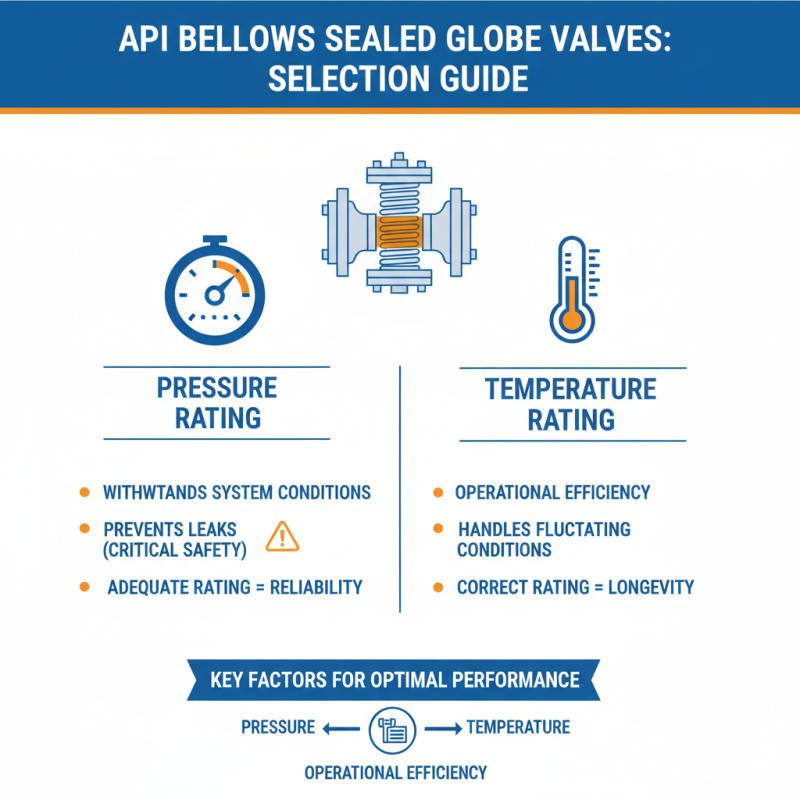
When selecting API bellows sealed globe valves, one must closely examine pressure and temperature ratings. These factors critically influence the valve's operational efficiency. The right pressure rating ensures the valve can withstand system conditions. An inadequate rating may lead to leaks. This is a serious concern. Valves often operate under fluctuating conditions, making proper assessment vital.
Temperature ratings also play a crucial role. Valves exposed to high temperatures may face material degradation. If the temperature exceeds limits, it can weaken the valve structure. Operators should consider the actual fluid temperature, not just the standard ratings. Too often, the real-world environment differs from controlled settings.
Neglecting these ratings can lead to unacceptable performance. Some users may overlook these details, leading to operational failures. A deeper understanding is essential. Ensure that the valve’s specifications match the application needs entirely. Each system has unique requirements, and a one-size-fits-all approach rarely works. Assessing these aspects is critical for long-term reliability.
Best Practices for Maintenance and Longevity of Bellows Sealed Valves
Proper maintenance of bellows sealed globe valves ensures reliability and longevity. According to recent industry reports, nearly 30% of valve failures are linked to inadequate maintenance practices. Regular inspections can identify early signs of wear. Setting a routine check every three to six months is a common recommendation.
Cleaning is crucial. Dirt and debris can hinder the valve's operation. A simple wash can extend the lifespan, reducing replacement costs over time. Additionally, lubrication of moving parts every few months is essential. It prevents friction and wear. Surprisingly, many users neglect this step, leading to premature failure.
Documentation is also important. Keeping a maintenance log helps track the valve's performance. Analyzing this data can reveal patterns in failures. This practice is not widespread, but it's a critical step towards improving operational efficiency. Overlooking small details can lead to substantial consequences. Regular training and awareness programs can enhance understanding and competency in valve maintenance.
2026 How to Choose Api Bellows Sealed Globe Valves for Optimal Performance? - Best Practices for Maintenance and Longevity of Bellows Sealed Valves
| Dimension |
Specification |
Best Practices |
Maintenance Tips |
| Size |
1/2" to 12" |
Select based on flow requirements |
Regular inspection for leakage |
| Material |
Stainless Steel, Brass, Carbon Steel |
Choose material based on fluid compatibility |
Clean surfaces regularly |
| Temperature Rating |
-20°F to 450°F |
Ensure valve rated for operating temperature |
Monitor for excessive heat exposure |
| Pressure Rating |
ANSI Class 150 to Class 2500 |
Select based on system pressure |
Test pressure regularly |
| End Connections |
Flanged, Welded, Threaded |
Match with piping system design |
Tighten connections according to specifications |




 Zalo
Zalo