How to Choose and Install Forged Steel Globe Valves for Optimal Performance
When it comes to maintaining the efficiency and reliability of fluid control systems, the choice of valves is paramount. Among the multitude of options available, forged steel globe valves have gained recognition due to their superior durability, structural integrity, and ability to withstand high pressures and temperatures. The selection and installation of these valves play a critical role in optimizing system performance and ensuring seamless operation in various industrial applications. This article will delve into the key considerations for choosing forged steel globe valves, emphasizing the factors that contribute to their effectiveness and longevity.
Understanding the specifications and features of forged steel globe valves is integral to making informed decisions. Factors such as valve size, pressure rating, and material composition should be assessed to ensure compatibility with the intended application. Furthermore, installation practices significantly influence the performance of these valves. Proper installation techniques not only enhance functionality but also extend the lifecycle of the valves, reducing the likelihood of maintenance issues and process interruptions. In the following sections, we will outline essential tips and guidelines for both choosing and installing forged steel globe valves to achieve optimal performance in your fluid control systems.
Types of Forged Steel Globe Valves Available in the Market
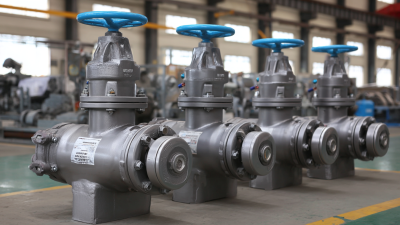
When considering the types of forged steel globe valves available in the market, it is important to recognize their specific design features and applications. Forged steel globe valves are known for their durability and reliability, making them a popular choice in various industries. They come in different types, including traditional globe valves, angle valves, and stop valves, each serving distinct purposes. Traditional globe valves are primarily used for throttling and regulating flow, while angle valves are designed to change the flow direction by 90 degrees, providing a space-saving solution. Stop valves, on the other hand, allow for complete shut-off of the flow when needed.
Tips for selecting the right type of forged steel globe valve include considering the specific application requirements, such as pressure and temperature ratings. It is crucial to examine the material compatibility to prevent corrosion or damage. Additionally, the flow characteristics play a significant role; for example, if a smooth flow is essential, opt for a valve that minimizes turbulence. Proper sizing of the valve is equally important as an oversized valve can lead to inefficient operation, while an undersized one may cause excessive pressure drops.
When installing forged steel globe valves, focus on alignment and sealing to ensure optimal performance. Always follow the manufacturer's guidelines regarding torque specifications and installation directions. Additionally, regular maintenance checks can enhance the longevity of the valves and prevent operational failures, making it vital to incorporate these practices into your routine.
How to Choose and Install Forged Steel Globe Valves for Optimal Performance
| Valve Type |
Pressure Rating |
Temperature Range |
Material |
End Connection Type |
Applications |
| Y-Type Globe Valve |
150 - 2500 PSI |
-20°F to 800°F |
Carbon Steel |
Flanged / Threaded |
Oil & Gas, Chemical Processing |
| Straight Globe Valve |
150 - 3000 PSI |
-10°F to 650°F |
Alloy Steel |
Welded / Socket Weld |
Water Supply, HVAC Systems |
| Angle Globe Valve |
150 - 600 PSI |
-20°F to 600°F |
Stainless Steel |
Flanged / Threaded |
Food Processing, Pharmaceutical |
| Pressure Seal Globe Valve |
150 - 2500 PSI |
-20°F to 800°F |
Carbon Steel / Alloy Steel |
Flanged |
Power Generation, Refineries |
Key Considerations When Selecting Forged Steel Globe Valves
When selecting forged steel globe valves, it is essential to consider several key factors to ensure optimal performance in your application. First and foremost, understand the operating conditions such as temperature, pressure, and the nature of the fluid being controlled. Forged steel valves are known for their strength and durability, making them suitable for high-pressure environments. Therefore, choose a valve with a pressure rating that exceeds your system's requirements to enhance safety and reliability.
Another important consideration is the size and design of the valve. Selecting the correct diameter is crucial for minimizing flow resistance and ensuring efficient operation. Additionally, consider the end connections that will match your piping system, whether they are threaded, flanged, or welded. The valve's flow direction and the seating design will also impact performance; a proper seating surface can prevent leaks and promote longevity. Lastly, evaluating manufacturer specifications and certifications can provide insights into the valve's quality and reliability, helping you make an informed decision.
Steps for Proper Installation of Forged Steel Globe Valves
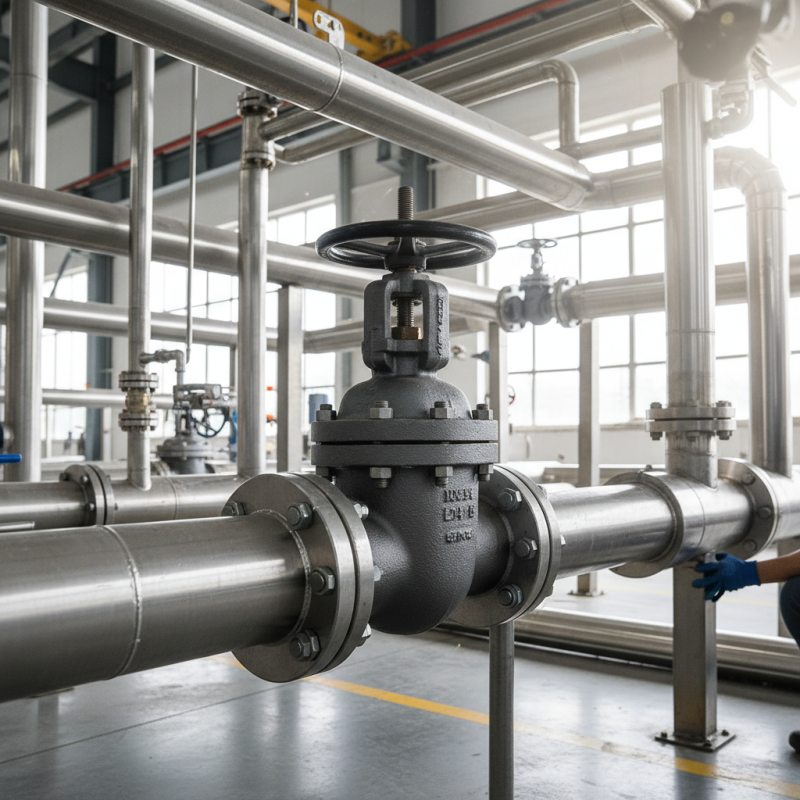
When installing forged steel globe valves, proper procedures are crucial to ensure optimal performance and longevity. First, it is essential to prepare the installation site by ensuring that the piping system is clean and free of debris. Any existing residual materials can impede the valve’s functionality and lead to leaks. Before installation, inspect the valve for any visible damage and confirm that it matches the specifications required for your system.
Next, when positioning the globe valve, take care to ensure that it is oriented correctly, typically with the flow direction arrow on the valve body aligned with the pipeline direction. Utilize appropriate sealing materials, such as gaskets or Teflon tape, to prevent leaks at the joints. When tightening the connections, apply uniform pressure using a torque wrench to avoid over-tightening, which could damage the valve or the pipe.
Finally, once the valve is installed, conduct a pressure test to confirm that the fittings are secure and that there are no leaks. It is also advisable to operate the valve in both open and closed positions to ensure smooth functionality. By following these steps meticulously, you can achieve optimal performance and reliability from your forged steel globe valves.
Maintenance Tips for Ensuring Optimal Performance of Valves
To ensure optimal performance of forged steel globe valves, regular maintenance is essential. One of the primary maintenance tips is to inspect the valves periodically for signs of wear or damage. This includes checking for leaks, corrosion, and ensuring that the valve seats and seals remain in good condition. Any observed deterioration should be addressed immediately to prevent further complications that could lead to system failures.
Additionally, it's important to keep the operating environment clean. Debris and contaminants can infiltrate the valves, affecting their functionality. Cleaning the exterior regularly and ensuring that the valve openings are free from obstructions helps maintain smooth operation. Lubricating the valve stem and other moving parts as per the manufacturer's guidelines can also enhance performance and prolong the lifespan of the valve.
Lastly, operators should be aware of the proper operating procedures and ensure that valves are not subjected to pressure or temperatures beyond their specifications. Implementing a routine exercise of opening and closing the valves at regular intervals can help to keep them in good working condition. Such proactive measures contribute significantly to the reliability and efficiency of forged steel globe valves in various applications.
Common Issues and Troubleshooting for Forged Steel Globe Valves
Forged steel globe valves are critical components in many industrial applications, but like any mechanical device, they can encounter issues that affect performance. One common problem is leakage, which can be attributed to improper sealing surfaces or wear and tear over time. Regular maintenance and inspection of the valve seats and seals are essential to identify signs of damage early and ensure proper sealing capability. Tightening the packing or replacing worn components can often mitigate this issue before it leads to more significant problems.
Another frequent concern is corrosion or erosion, which can compromise the integrity of the valve and its functionality. This is particularly relevant in environments where the medium being controlled is aggressive or abrasive. To address this, operators should choose valves made from materials that resist these conditions and ensure that the installation location is suitable for the specific application. Monitoring the valve for signs of wear and understanding the operational environment can help in prolonging its lifespan and maintaining optimal performance. Regularly scheduled maintenance checks and prompt repairs when issues are spotted can dramatically reduce the risk of failure in forged steel globe valves.




 Zalo
Zalo