How to Choose Din Bellows Sealed Valves for Your Needs?
Choosing the right Din Bellows Sealed Valves can be a daunting task. Expert engineer John Smith emphasizes, “The right valve is critical to system integrity.” With a vast variety of options on the market, making the right choice becomes essential.
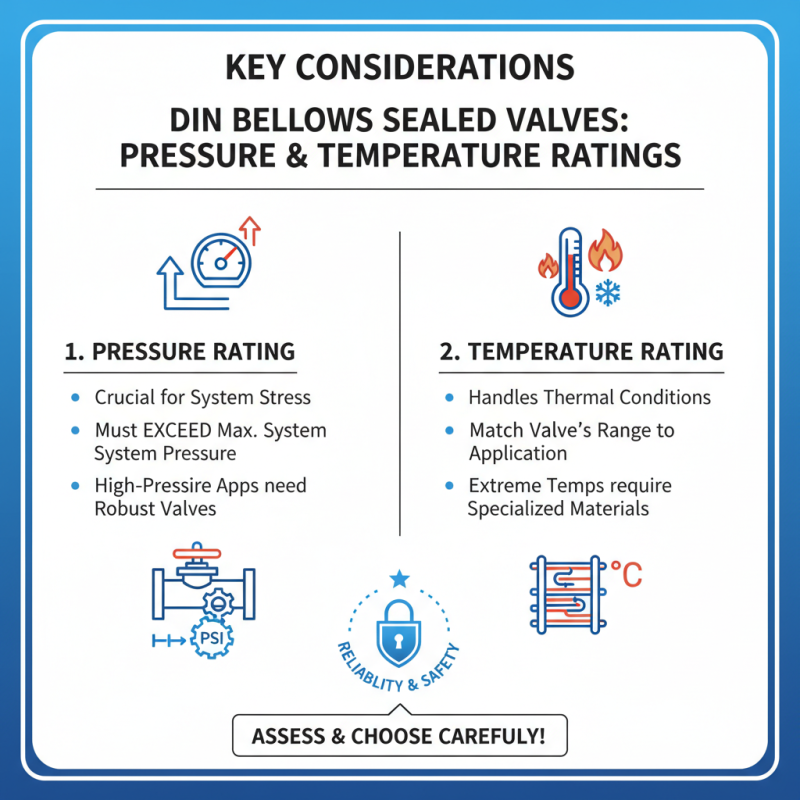
Din Bellows Sealed Valves are crucial in preventing leaks and ensuring system safety. These valves offer a robust design that many industrial applications require. When selecting a valve, consider factors such as pressure ratings, media compatibility, and temperature ranges. Each of these elements can greatly affect performance.
It's easy to overlook certain features that might seem trivial. However, these details can lead to significant issues down the line. Remember, not every valve will suit your specific needs. Take your time to analyze your requirements thoroughly. This vigilance can save you from future headaches and enhance operational efficiency.
Understanding Din Bellows Sealed Valves and Their Applications
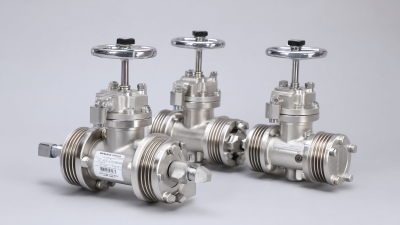
Din bellows sealed valves represent a crucial component in various industrial applications. These valves are designed to prevent leaks while providing reliable control over fluid flow. The flexibility of the bellows allows for compensation of thermal expansion, making them ideal for high-temperature environments. According to industry reports, the use of bellows sealed valves can reduce leakage rates by more than 80% compared to traditional designs. This is significant for industries where even minor leaks can lead to safety or environmental hazards.
Choosing the right valve demands careful consideration of specific needs. Factors such as pressure ratings, temperature ranges, and the chemical nature of fluids should never be overlooked. Some applications may require more robust designs to withstand severe conditions. It is vital to analyze maintenance requirements, as complex designs can lead to operational difficulties.
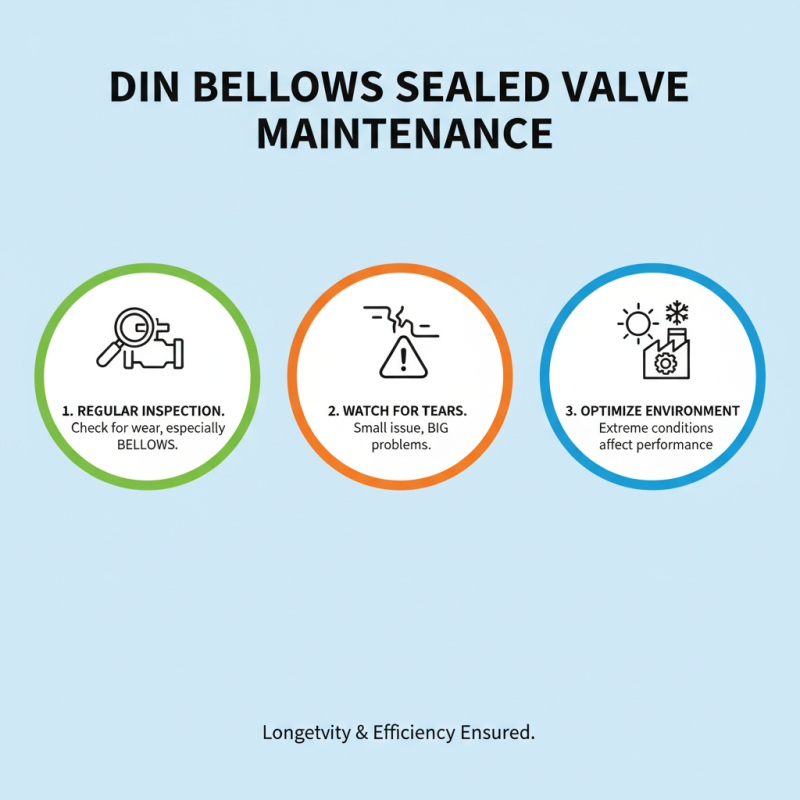
**Tips:** Assess the compatibility of the valve with your application. Keep an eye on installation procedures to avoid damaging the bellows. Regular inspections are important to ensure continued performance. Remember, every system has unique challenges. Recognizing those will enhance your operational efficiency.
Performance Comparison of Din Bellows Sealed Valves
This bar chart illustrates the performance comparison of different sizes of Din bellows sealed valves based on their pressure rating and temperature range. The data highlights important specifications crucial for selecting the right valve for specific applications.
Key Factors to Consider When Choosing Din Bellows Sealed Valves
When selecting Din bellows sealed valves, several key factors should be carefully evaluated. The materials used in the valve construction can significantly influence performance. For instance, the choice between stainless steel and other alloys may come down to corrosion resistance and pressure handling. According to industry reports, approximately 45% of valve failures are related to material degradation. This highlights the importance of selecting the right materials for specific applications.
Another crucial aspect is the operating temperature range. Valves need to withstand various thermal conditions. A study indicated that a temperature fluctuation can reduce valve lifespan by 30%. It's essential to match the valve specifications with the environmental conditions.
Additionally, consider the valve size and connection type. Mismatches can lead to installation issues. Many projects have reported increased costs due to these errors.
Lastly, understand your operational requirements. Flow rates and pressure drops impact the valve selection process. An estimated 60% of maintenance issues stem from improper valve sizing. Regular assessments of your needs can prevent complications. Small choices matter significantly in the long run. Each factor requires deep reflection to ensure the right valve is chosen for optimal performance.
Comparing Different Materials Used in Din Bellows Sealed Valves
When choosing Din bellows sealed valves, the material used is crucial. Common materials include stainless steel, brass, and plastic. Stainless steel is favored for its strength and corrosion resistance. It works well in high-pressure environments. However, it can be expensive and heavy. This may not be ideal for every application.
Brass offers excellent durability and a lower cost than stainless steel. It's often used in water and gas systems. Yet, brass can corrode in certain conditions, especially with aggressive fluids. Plastic is lightweight and resistant to many chemicals. It can be a practical choice for less demanding applications. Still, it may not hold up under extreme temperatures or pressures.
Choosing the right material requires careful thought. Think about the specific conditions the valve will face. Each material has its advantages and drawbacks. Make sure to evaluate environmental factors, such as temperature and fluid types. Consider the long-term implications of your choice. A material that's suitable now might not be ideal later. Always reflect on how these factors impact performance and safety.
How to Choose Din Bellows Sealed Valves for Your Needs? - Comparing Different Materials Used in Din Bellows Sealed Valves
| Material |
Temperature Resistance (°C) |
Pressure Rating (bar) |
Corrosion Resistance |
Applications |
| Stainless Steel |
-196 to 400 |
40 |
Excellent |
Chemical Processing, Oil & Gas |
| Bronze |
-20 to 250 |
20 |
Good |
Marine Applications, Water Supply |
| PTFE |
-200 to 260 |
10 |
Excellent |
Pharmaceuticals, Food Processing |
| Carbon Steel |
-29 to 175 |
30 |
Moderate |
Steam, HVAC Systems |
| Alloy Steel |
-40 to 400 |
60 |
Good |
High Pressure Applications |




 Zalo
Zalo