Discover the Best Bs 5163 Non Rising Stem Gate Valves Options?
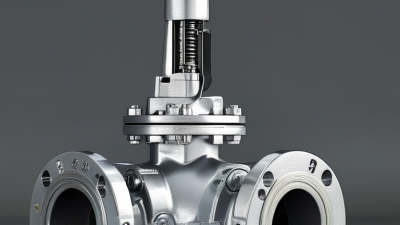
When choosing valves for your plumbing or industrial systems, the Bs 5163 Non-Rising Stem Resilient Seated Gate Valves stand out. These valves offer reliable performance and robust designs, essential in various applications. Their non-rising stem feature is particularly significant in space-constrained installations.
The resilience of their seating ensures tight sealing, minimizing leaks. Engineers often prefer these valves due to their durability and ease of maintenance. However, it's crucial to consider installation requirements carefully. Not all applications may benefit equally from these valves.
Potential users should reflect on specific needs and context. Each installation comes with unique challenges and expectations. While the Bs 5163 valves excel in many situations, assessing compatibility with your existing systems is vital. Taking the time to research and evaluate options can lead to better performance and efficiency in your projects.
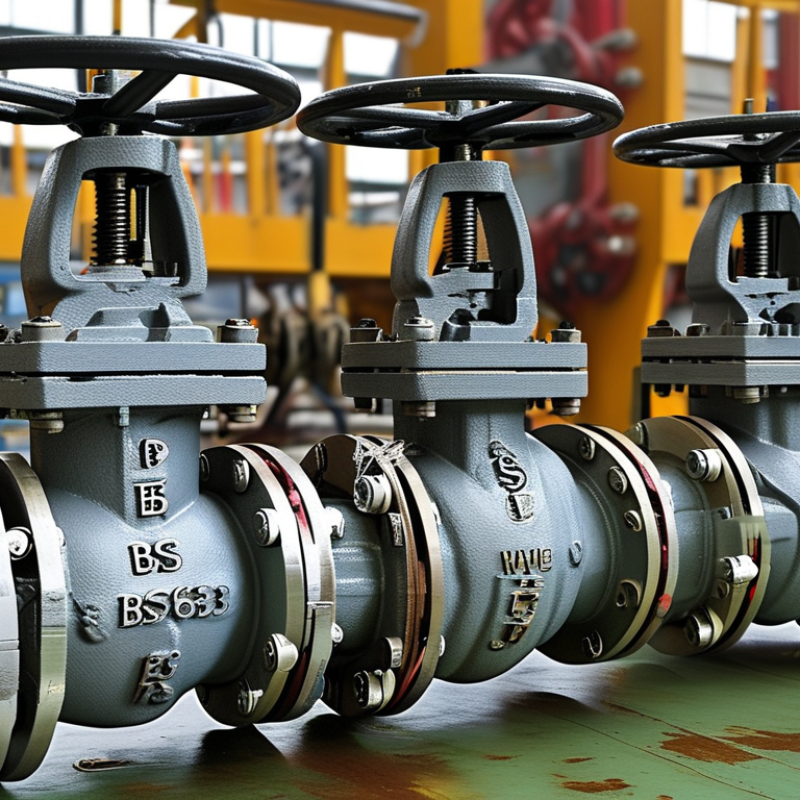
Overview of Bs 5163 Non Rising Stem Gate Valves
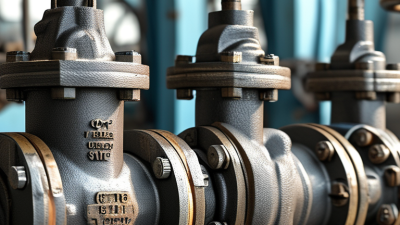
Bs 5163 non rising stem gate valves are critical components in various piping systems. They provide efficient flow control and are particularly useful in water distribution, sewage systems, and industrial applications. The non-rising stem feature reduces the space required for installation. This design minimizes the impact of external factors such as soil movement.
When selecting these valves, consider the materials used. They can be made from various metals that affect durability and corrosion resistance. Understanding the specific requirements of your project is essential. Different environments can lead to different performance outcomes. Regular maintenance is also vital to ensure long-lasting functionality.
While many manufacturers offer these valves, not every option is suitable for all applications. Researching and comparing specifications is necessary. Installation can sometimes expose flaws in valve design that weren't apparent during selection. Choose wisely to ensure the valve functions as intended in your system. The consequences of selecting poorly can lead to costly repairs.
Key Features of BS 5163 Non Rising Stem Gate Valves
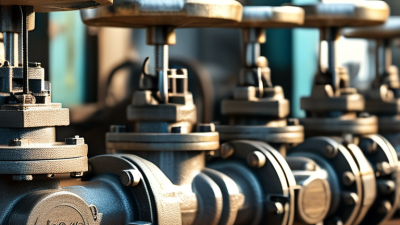
When exploring BS 5163 non rising stem gate valves, understanding their key features is essential. These valves play a crucial role in controlling fluid flow in various applications. One notable attribute is their compact design. This design allows for easier installation, especially in tight spaces. Additionally, the non-rising stem mechanism eliminates the vertical movement of the stem. As a result, they minimize the risk of damage in confined environments.
Another significant feature is their durability. BS 5163 valves are often constructed from high-quality materials like ductile iron and stainless steel. These materials ensure resistance to corrosion and wear. Such properties increase their lifespan in challenging conditions. Furthermore, these valves offer reliable sealing capabilities. Proper sealing prevents leakage, which is critical in many industrial processes.
Reliability is a focal point of BS 5163 valves. Users often find that performance can vary depending on installation and maintenance practices. It’s important to regularly inspect these valves to ensure they function efficiently. Understanding the application environment can lead to better performance outcomes. Regular assessments help identify any potential issues early on.
Applications of BS 5163 Non Rising Stem Gate Valves
BS 5163 Non Rising Stem Gate Valves are essential in various applications. They are primarily used in water supply systems, wastewater treatment, and industrial processes. According to industry reports, these valves account for a significant share of the global gate valve market. They offer reliability and efficiency in controlling flow, often favored in environments where space is limited.
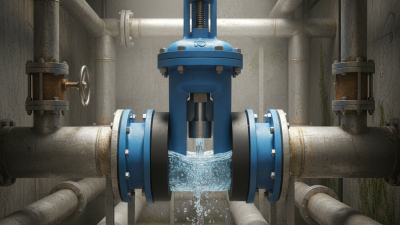
In wastewater treatment plants, BS 5163 valves prevent backflow and maintain system pressure. Their design minimizes leakage, which is crucial for environmental protection. A study revealed that improper valve selection can lead to mechanical failures, resulting in costly disruptions. This emphasizes the importance of choosing the right valve type based on specific system requirements.
Municipal water supply systems also depend on these valves due to their ease of operation. They provide tight sealing and can handle high-pressure conditions. However, maintenance is often overlooked. Regular inspections are necessary to avoid potential issues. Neglecting valve condition can lead to decreased performance over time. While BS 5163 valves are reliable, they require attention to ensure lasting functionality.
Comparative Analysis of Popular Brands and Models
When exploring the world of BS 5163 non-rising stem gate valves, familiarity with popular brands and models is essential. Different manufacturers offer various designs, but performance and reliability often vary. Understanding each model's unique features can significantly impact decision-making for various applications.
Key factors to consider include the material quality, sealing mechanism, and pressure ratings. Some models excel in high-pressure environments, while others may perform better in corrosive conditions. Many users report challenges with installation and maintenance, emphasizing the importance of choosing the right valve for specific requirements.
While some models claim durability, user feedback often reveals inconsistencies. Users should reflect on their specific needs and potential challenges. A model that works well for one situation may not be suitable for another. Thus, researching user experiences and technical specifications is crucial to making an informed choice.
Discover the Best Bs 5163 Non Rising Stem Gate Valves Options - Comparative Analysis of Popular Brands and Models
| Model |
Size |
Material |
Pressure Class |
Temperature Rating |
Weight |
Warranty |
| Model A |
2" |
Ductile Iron |
PN16 |
-20 to 120 °C |
8 kg |
5 Years |
| Model B |
3" |
Carbon Steel |
PN20 |
-10 to 150 °C |
10 kg |
3 Years |
| Model C |
4" |
Stainless Steel |
PN25 |
-20 to 200 °C |
15 kg |
7 Years |
| Model D |
6" |
Bronze |
PN10 |
-10 to 100 °C |
12 kg |
2 Years |
Maintenance and Troubleshooting Tips for BS 5163 Valves
When dealing with BS 5163 non-rising stem gate valves, regular maintenance is crucial to ensure reliability and longevity. Research indicates that improper maintenance can lead to a 30% increase in failure rates. Regular inspections should focus on the valve's sealing surfaces and mechanical components. Regular lubrication can prevent wear and tear, extending the life of the valve.
Troubleshooting issues with BS 5163 valves often involves identifying leaks and operational inefficiencies. Approximately 15% of valve failures are attributed to improper installation. If a valve is not functioning correctly, check the actuator and connections first. A simple issue like debris in the valve body can disrupt function significantly.
It's important to train personnel on proper handling and operation. Many failures stem from operator error. Implementing routine training can reduce these incidents by up to 40%. Document all maintenance actions to track performance over time. This can help anticipate potential problems before they escalate, ensuring optimal function and reliability.




 Zalo
Zalo