Top Benefits of Forged Steel Gate Valves for Global Buyers?
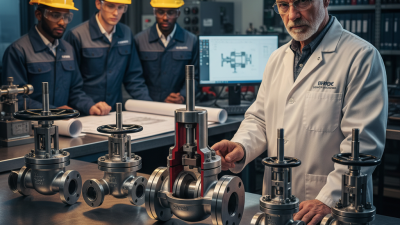
Forged Steel Gate Valves have become essential components in various industries worldwide. According to Dr. James Carter, a leading expert in valve technology, “The reliability and durability of forged steel gate valves can't be overlooked.” These valves provide unmatched strength and resistance to high pressures.
In the competitive markets, global buyers seek products that ensure performance. Forged Steel Gate Valves stand out due to their superior manufacturing process. They are crafted under extreme conditions, which enhances their structural integrity. Companies that invest in these valves often enjoy reduced maintenance costs and increased operational efficiency.
However, it's crucial for buyers to be aware of the specifications and standards required for different applications. Not every forged steel gate valve suits every situation. Understanding the unique needs of each system is vital. This understanding can prevent costly mistakes that arise from misapplication. The potential of forged steel gate valves is significant, but so are the responsibilities that come with their selection.
Key Characteristics of Forged Steel Gate Valves
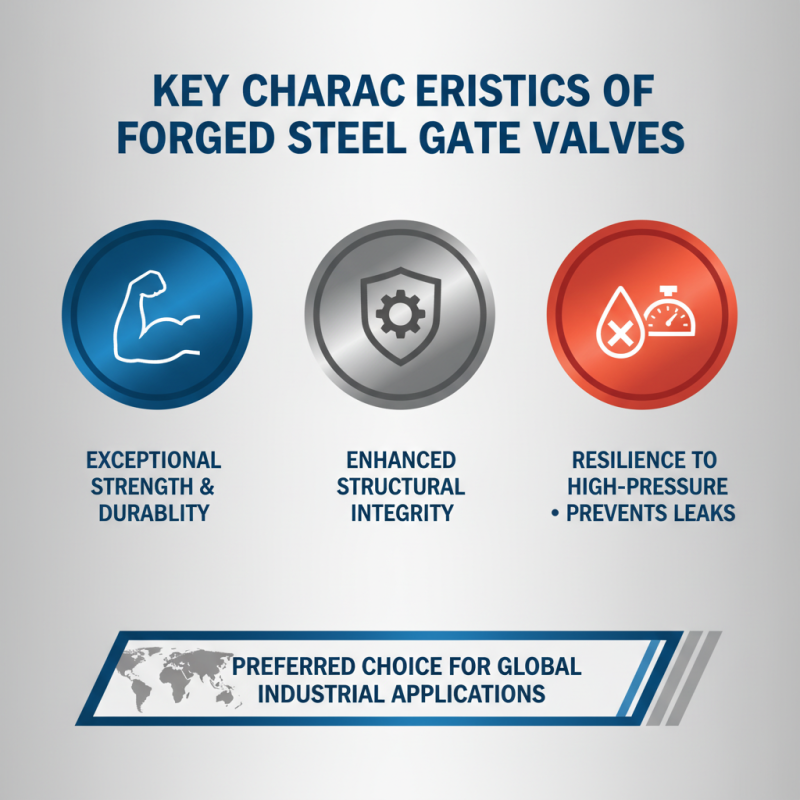
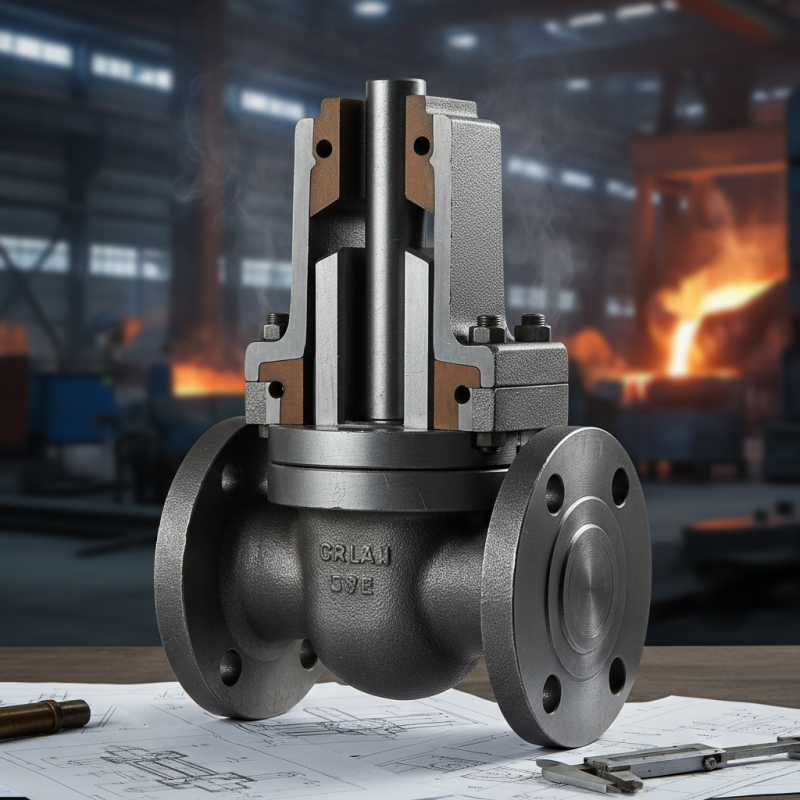
Forged steel gate valves are essential components in various industrial applications. They offer several key characteristics that make them a preferred choice for many global buyers. First, forged steel provides exceptional strength and durability. The manufacturing process enhances structural integrity, allowing the valves to withstand high-pressure environments. This resilience is crucial in preventing leaks and failures.
Another important feature is their temperature resistance. These valves can perform stably in extreme temperatures, making them ideal for diverse settings. Their tight sealing capabilities ensure minimal fluid loss, promoting efficiency in systems. Additionally, forged steel gate valves are versatile, functioning in oil and gas sectors, water treatment facilities, and more.
However, it's worth noting that these valves may require specific maintenance routines. Regular inspections can prevent potential issues. Some users report challenges with installation in confined spaces, indicating the need for careful planning. Despite these considerations, the advantages often outweigh the drawbacks, making forged steel gate valves a reliable choice for many operations.
Advantages of Forged Steel for Durability and Longevity
Forged steel gate valves are known for their exceptional durability and longevity. Made through a process that improves their strength, these valves outperform many alternatives. According to a report by the American Society of Mechanical Engineers, forged steel valves can withstand stress better than cast versions. This means fewer failures and longer service life.
The corrosion resistance of forged steel also adds to its appeal. Many industries, such as oil and gas, rely heavily on these valves. The harsh conditions they face require robust materials. Additionally, data shows that using forged steel can reduce maintenance costs by up to 30%. That's a significant factor for businesses aiming to enhance efficiency.
**Tip:** When selecting valves, ensure you consider operating conditions. Not all forged steels are the same. Regular inspections can prevent costly downtime. The longevity of machinery often hinges on quality components. Don't overlook compatibility with existing systems. Using the right material enhances overall performance and reliability.
Top Benefits of Forged Steel Gate Valves for Global Buyers
| Benefit |
Description |
Impact |
| High Strength |
Forged steel provides superior strength compared to cast steel. |
Increases the ability to withstand higher pressure and temperatures. |
| Durability |
These valves have a longer service life due to their resistance to wear and tear. |
Reduces the need for frequent replacements, saving costs. |
| Leak Resistance |
Forged steel gate valves typically provide superior sealing capability. |
Enhances safety and efficiency in operations by minimizing leaks. |
| Versatility |
Suitable for various applications across different industries. |
Allows for broader usage in pipelines, refineries, and chemical plants. |
| Cost-effectiveness |
Longer lifespan and lower maintenance costs make forged valves more economical. |
Provides better return on investment over time. |
Cost-Effectiveness of Forged Steel Gate Valves in Industrial Applications
Forged steel gate valves are becoming popular in industrial settings due to their cost-effectiveness. These valves are designed to withstand high pressure and temperature. They ensure reliable performance in various applications, such as oil and gas industries. This reliability reduces maintenance costs, which can accumulate over time. Many buyers find that investing in these valves pays off in the long run.
One significant advantage lies in their durability. Forged steel valves are less prone to leaks and failures. This aspect lowers the risk of costly downtime, which can impact productivity. A failure in a valve can lead to serious disruptions, requiring unexpected repairs. Therefore, businesses often reflect on their valve choices carefully. Selecting a reliable option can make a difference between success and setbacks.
However, not every application suits forged steel gate valves. Buyers must consider alternatives based on their specific needs. Some environments may require different materials. This requires careful evaluation to optimize costs and efficiency. Understanding the application and its demands is crucial. In some cases, cheaper options may not deliver the same benefits. It’s essential to analyze both short-term and long-term needs before making a decision.
Impact of Forged Steel Valve Design on Performance and Efficiency
Forged steel gate valves are increasingly vital in various industries due to their robust design and reliability. These valves are known for high-pressure applications, providing superior strength. The design directly impacts performance metrics, ensuring they function effectively under extreme conditions. This structural integrity minimizes the risk of failure, benefitting operations that rely on consistent flow and control.
When considering forged steel valves, understanding their design nuances is crucial. A well-designed valve not only enhances the flow rate but also prevents turbulence. This stability can lead to improved efficiency in your processes. Opting for valves with precise craftsmanship can reduce maintenance costs in the long term, an aspect managers often overlook.
Tip: Regularly inspect valves to identify signs of wear or misalignment. Early detection can save you from costly downtime.
Another aspect is the valve's ease of use. Proper ergonomics in the design guarantees straightforward operation. Complicated mechanisms may lead to operational errors, which can compromise safety. Ensuring your team understands the valve's design and operation can help prevent accidents.
Tip: Provide training for staff to enhance their understanding of valve operation. Well-informed employees can ensure smoother operations and increased safety.
Global Market Trends and Demand for Forged Steel Gate Valves
The global market for forged steel gate valves is witnessing significant growth. Industries utilize these valves for their durability and reliability. This rise aligns with the increasing demand for effective fluid control solutions across various sectors, including oil and gas, water treatment, and power generation. Forged steel gate valves are known for their robust construction, making them ideal for high-pressure environments.
Recently, manufacturers are focusing on enhancing valve performance. They prioritize advanced design techniques and material quality. The trend indicates a shift towards valves that can withstand extreme conditions while offering longevity. However, not all manufacturers meet these high standards. Some products may fall short, leading to potential failures in critical applications. Reliable suppliers invest in proper testing and certification.
Additionally, the demand landscape is evolving. Buyers seek valves that not only perform well but also offer cost-effectiveness. This creates a competitive edge for companies that can balance quality with pricing. Yet, fluctuating raw material prices pose challenges for manufacturers. Buyers need to stay informed and select suppliers wisely, ensuring they invest in valves that meet their specific needs.
Top Benefits of Forged Steel Gate Valves for Global Buyers




 Zalo
Zalo