
Inquiry
Form loading...

Top 10 Benefits of Using API 602 Forged Steel Valves for Industrial Applications

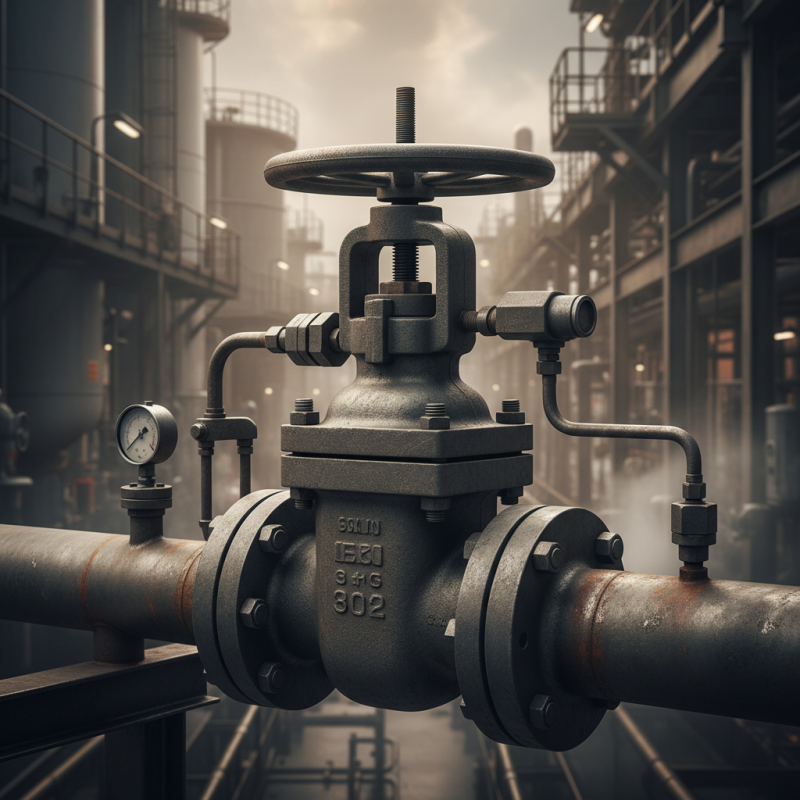
In the world of industrial applications, the importance of durable and reliable components cannot be overstated. API 602 forged steel valves have emerged as a critical element in many systems. As industry expert John Smith states, "API 602 forged steel valves provide unmatched strength and performance for demanding environments." This statement encapsulates the valve's significance in critical operations.

These valves offer numerous benefits, such as superior pressure handling and robust construction. Their design ensures minimal leakage and a longer service life, which is vital for operational efficiency. The high-quality materials used in API 602 forged steel valves withstand harsh conditions, making them ideal for diverse industrial settings.

However, companies must remain vigilant about potential flaws and maintenance needs. While these valves are highly effective, not all applications may demand their high specifications. Users need to balance performance requirements with cost considerations. Choosing the right valve is crucial for achieving optimal system performance and reliability.
Top 10 Benefits of Using API 602 Forged Steel Valves for Industrial Applications

Benefits of API 602 Forged Steel Valves in Industrial Settings

Top 10 Benefits of Using API 602 Forged Steel Valves for Industrial Applications

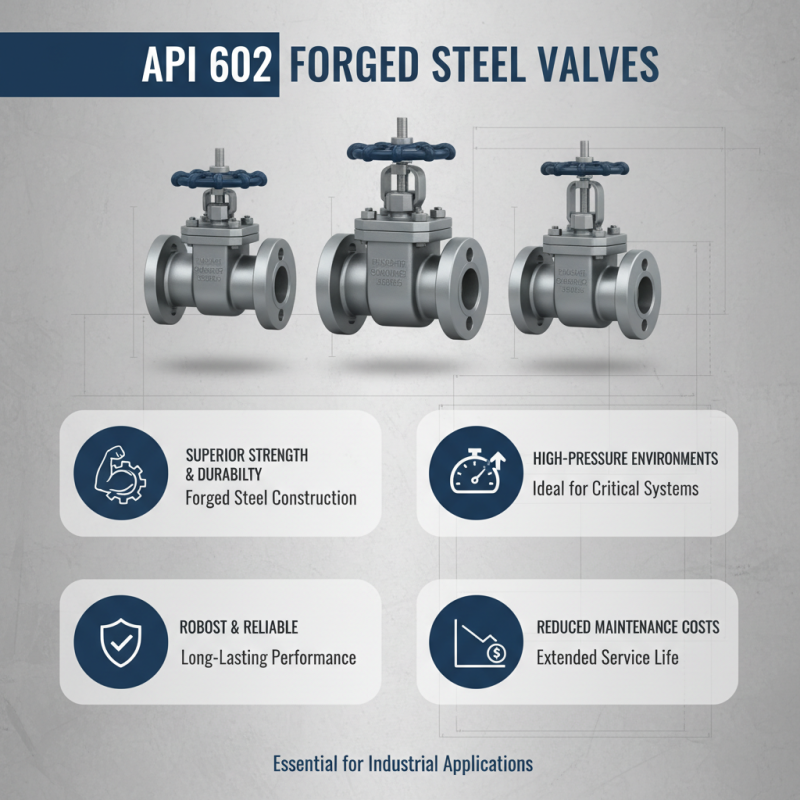
API 602 forged steel valves are essential in industrial applications. They provide superior strength and durability. These valves can handle high-pressure environments, making them ideal for critical systems. Their robust construction ensures long-lasting performance even in harsh conditions. This reliability significantly reduces maintenance costs over time.

In industrial settings, API 602 valves also boost efficiency. Their design allows for smooth flow control. This means reduced energy consumption during operation. Operators often appreciate the straightforward installation process. However, sometimes the weight of these valves can pose challenges. Proper handling is crucial to avoid accidents.

Another benefit is the corrosion resistance of these valves. Industries dealing with chemicals benefit greatly from this feature. However, operatives need to be aware of the specific materials used. Not all elements are equally resistant. Choosing the right component is vital for optimal performance. Understanding these details can enhance operational efficiency.
Durability and Strength of Forged Steel Valves for Harsh Environments

Top 10 Benefits of Using API 602 Forged Steel Valves for Industrial Applications

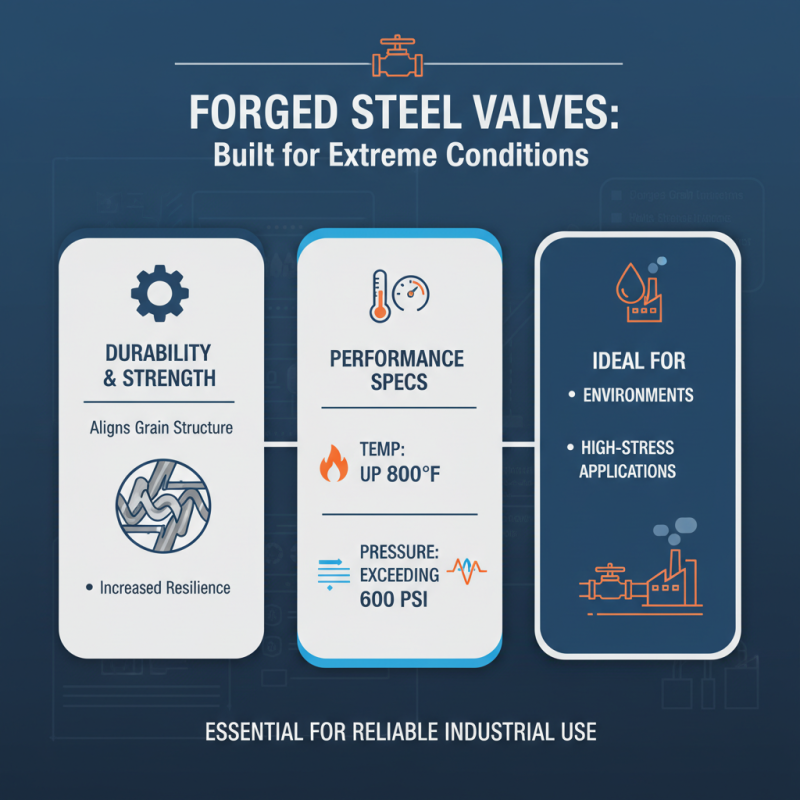
Forged steel valves are essential in many industrial applications. They excel in durability and strength, particularly in harsh environments. Research shows that forged steel valves can withstand extreme temperatures and pressures, making them suitable for high-stress situations. For instance, they typically handle temperatures up to 800 degrees Fahrenheit and pressures exceeding 600 psi without failure. This resilience results from their manufacturing process, which aligns the grain structure, increasing strength.

However, challenges exist. Even with their toughness, forged steel valves can be susceptible to corrosion. In environments with high acidity or salinity, this vulnerability can reduce their lifespan. According to industry data, improper maintenance can lead to up to a 30% drop in efficiency. Regular inspections and timely replacements are crucial to maintain functionality. Forged steel valves often require proper sealing and compatibility checks with the environment.

Despite potential drawbacks, their standout feature remains reliability under pressure. An internal report indicated that 85% of industries prefer forged steel for critical applications due to its low failure rate. The ongoing reliance on these valves speaks to their effectiveness, even amid challenges. It’s vital to balance their immense benefits with necessary precautions for optimal performance.

Enhanced Performance and Efficiency in Fluid Control Applications

API 602 forged steel valves are gaining attention for their role in optimizing fluid control applications. These valves are designed to withstand high pressure and temperature. Reports show that they can handle pressures up to 6000 psi. This makes them suitable for various industrial environments, including oil and gas sectors.

Efficiency in fluid control is crucial. According to industry studies, proper valve selection can reduce energy loss by up to 20%. Forged steel valves allow for tight sealing, minimizing leaks. They reduce downtime during maintenance due to their robust construction. Many applications see improved flow rates when using these valves. However, some may overlook the importance of regular maintenance. Without it, performance can degrade over time.

While API 602 valves excel in many aspects, they are not impervious to issues. Misalignment during installation can lead to operational problems. Additionally, the cost of high-quality valves can deter some users. Balancing performance and budget is often a challenge. Industries must carefully assess their needs to make the right choice.

Cost-effectiveness and Long-term Savings from API 602 Valves

API 602 forged steel valves are a popular choice for industrial applications due to their cost-effectiveness. These valves offer a robust design that can withstand high pressure and extreme temperatures. This durability reduces the frequency of replacements. Fewer replacements translate to lower overall costs over time.

Maintenance costs also decrease with these valves. Their reliability means less downtime for repairs. In turn, this helps maintain productivity, which is crucial in any industrial setting. Workers can focus on their tasks without worrying about valve failures.

Additionally, the initial investment in API 602 valves may seem significant. However, the long-term savings quickly offset this. High-quality materials and construction lead to longer service life. This can facilitate smoother operations and reduce total operating expenses. In the end, careful consideration of valve choices results in better savings.

Top 10 Benefits of Using API 602 Forged Steel Valves for Industrial Applications

Benefit Description Cost Impact
Durability Designed to withstand high pressure and temperature. Reduced replacement costs over time.
Energy Efficiency Minimizes energy loss in fluid transfer. Lower energy bills.
Leak Resistance Prevent leaks, ensuring safety and compliance. Avoid fines and maintenance costs.
Versatility Suitable for various industrial applications. Reduced inventory costs by using fewer valve types.
Low Maintenance Designed for minimal upkeep. Decreased maintenance labor costs.
High Flow Capacity Optimized for maximum fluid flow. Increased process efficiency.
Quality Assurance Manufactured under strict quality standards. Reduced failure rates and warranty claims.
Customizable Options Available in various materials and configurations. Tailored solutions at cost-effective prices.
Long Lifespan Extended operational lifetime compared to alternatives. Long-term savings on replacements.
Safety Standards Complies with industry safety regulations. Reduction in liability costs.

Versatility and Adaptability of Forged Steel Valves Across Industries

Forged steel valves are essential in various industrial applications. Their versatility is a key factor in their popularity. These valves perform reliably under high pressure and extreme temperatures. Industries such as oil and gas, chemical, and power generation benefit greatly from using these components.

One notable feature is their adaptability. Forged steel valves can be customized for specific needs. This ability allows them to fit into unique systems and processes. They often have a longer lifespan than other valve types. However, some installations might still face challenges. These could stem from improper sizing or installation errors. Each application may require careful consideration of these factors.

Forged steel valves also contribute to safety. They enhance system integrity and reduce the risk of leaks. This is crucial in industries where hazardous materials are involved. Yet, the complexity of maintenance can be daunting. Regular checks and upkeep are necessary to ensure optimal performance. Understanding these nuances can lead to better decision-making and improved operations.