2026 Top Forged Steel Globe Valves What You Need to Know?
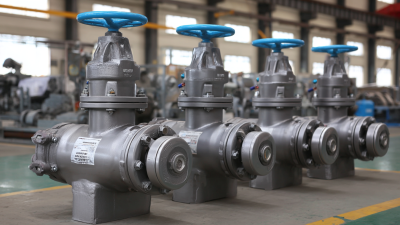
When considering industrial applications, Forged Steel Globe Valves stand out. They are crucial for regulating flow in various systems. This guide explores the essential features of these valves, focusing on their design and performance.
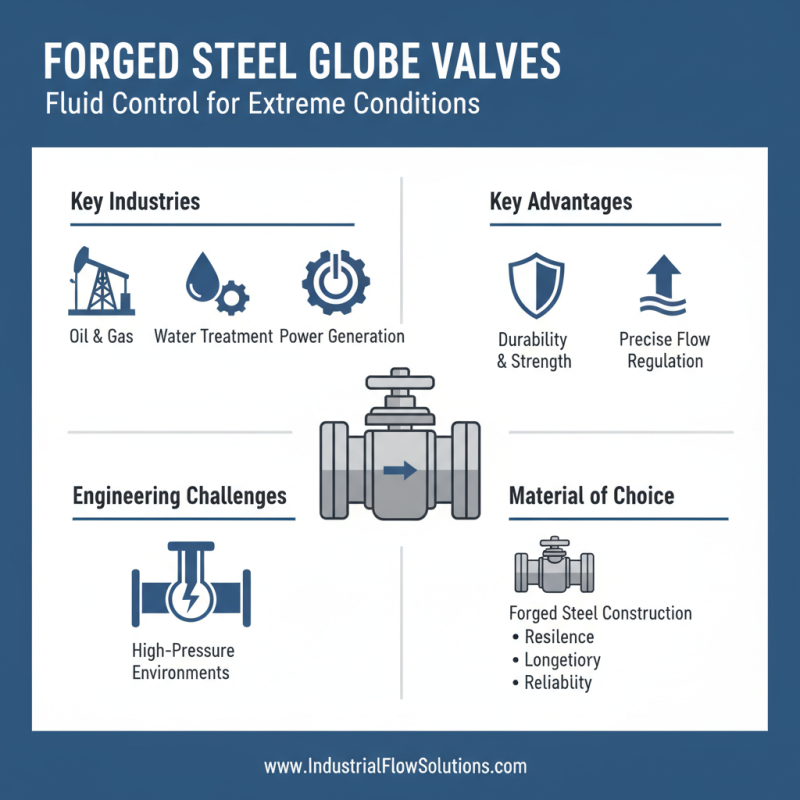
Forged Steel Globe Valves are known for their strength and durability. They are often used in high-pressure environments. These valves provide reliable sealing and efficient flow control. Many industries, such as oil and gas, depend on them for safety and effectiveness.
However, not all Forged Steel Globe Valves are created equal. It's essential to evaluate your specific needs. Ignoring factors such as material quality or compatibility can lead to failures. By understanding these details, you can select the right valve for your applications. Remember, even small mistakes can cause significant issues.
Overview of Forged Steel Globe Valves
Forged steel globe valves are essential in various industrial applications. These valves offer excellent durability and strength. They are widely used in sectors like oil and gas, power plants, and water treatment facilities. Reports indicate that the global market for forged steel valves is projected to reach approximately $5 billion by 2026, showing a significant demand trend.
The construction of forged steel globe valves provides advantages in high-pressure environments. Their design ensures a tight seal and minimizes leakage. However, improper installation can compromise performance. It's crucial to adhere to installation guidelines. Missing these can lead to costly repairs or accidents. Industries report that nearly 30% of valve failures are due to improper handling.
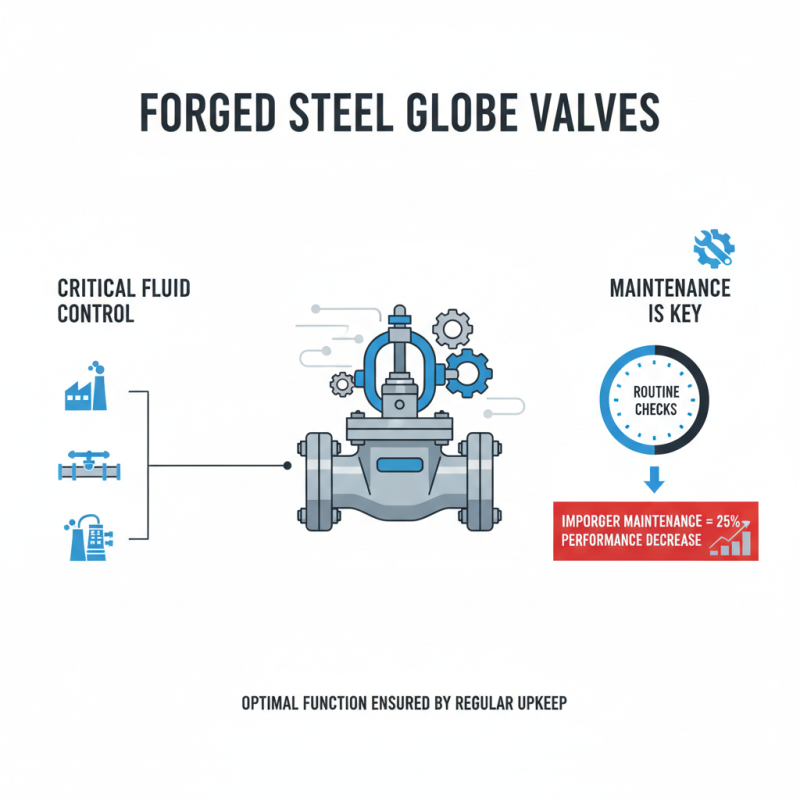
When choosing a forged steel globe valve, consider factors like pressure ratings and temperature limits. Some valves may not perform as expected under extreme conditions. Regular maintenance is vital, yet it's often neglected. Studies reveal that unmaintained valves can reduce system efficiency by more than 20%. This emphasizes the need for a proactive approach in valve management.
Key Features and Advantages of Forged Steel Globe Valves
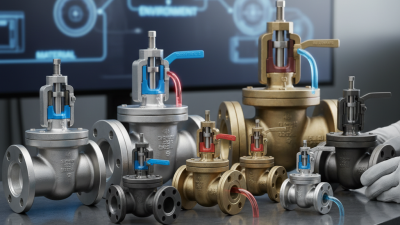
Forged steel globe valves are essential in many applications. They offer a range of key features that make them highly desirable. One of the most significant advantages is their durability. Forged steel can withstand high pressures and temperatures. According to industry reports, these valves can handle pressures up to 6,000 psi, which is crucial in demanding environments.
Another notable feature is their precise flow control. These valves provide a tight shut-off and reduce the chances of leakage. This is particularly important in industries like oil, gas, and chemicals. Studies show that the efficiency of forged steel globe valves enhances overall system performance by up to 30%. However, it's worth noting that installation can be challenging. Proper alignment is critical to function effectively. Mistakes in installation may lead to reduced performance or even failure.
Moreover, forged steel globe valves come in various sizes and configurations. This flexibility allows for greater adaptability to different systems. Yet, users sometimes overlook maintenance requirements. Neglecting regular check-ups can diminish their lifespan. Ultimately, while these valves are reliable, they are not without their challenges. Users should be aware of these factors to optimize performance.
2026 Top Forged Steel Globe Valves - Key Features and Advantages
Applications and Industries Utilizing Forged Steel Globe Valves
Forged steel globe valves are crucial in many industries. They regulate fluid flow effectively. You will find them in oil and gas, water treatment, and power generation. Each application has unique requirements. Engineers choose globe valves for their durability and strength. However, they often face challenges in high-pressure environments.
In oil and gas, these valves manage flow in pipelines. They must withstand extreme pressures and temperatures. The wrong selection can lead to failures. In water treatment facilities, forged steel globe valves help control water flow. They can be susceptible to corrosion, demanding frequent inspections.
Other industries, such as manufacturing, also utilize these valves. They support various processes but can become problematic if not maintained. Sometimes, a valve may leak, causing unexpected downtime. Each industry must prioritize proper selection and maintenance. Understanding these factors is essential for optimizing performance.
Factors Influencing the Selection of Forged Steel Globe Valves
When selecting forged steel globe valves, several factors come into play.
The application type is crucial. Different processes require different valve specifications.
Consider factors like pressure ratings and temperature ranges.
These specifications determine the materials used and overall design.
Another critical point is the size of the valve. A valve that is too large or too small can lead to inefficiencies.
Flow rate is often overlooked. It should match the application requirements for optimal performance.
Sometimes, users select a valve based solely on price, ignoring the potential costs of failure or maintenance.
Material options play a significant role as well. Forged steel is durable, yet
not all grades are suitable for every environment.
Corrosion resistance is essential in some applications. Users must evaluate environmental conditions carefully.
Some may find this process tedious or complicated, but it’s vital to ensure long-term reliability.
Making a hasty choice can lead to costly repairs or downtime.




 Zalo
Zalo