2026 Best Din Bellows Sealed Valves for Your Applications?
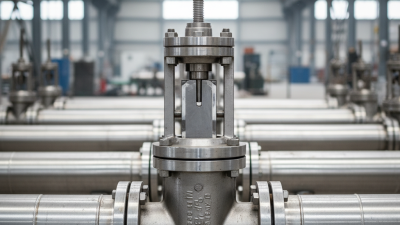
In the world of industrial applications, Din Bellows Sealed Valves play a crucial role. They provide efficient sealing solutions. These valves are designed to prevent leaks and ensure safety. In many settings, this is vital for operations.
Choosing the right Din Bellows Sealed Valves can be challenging. With various options available, it's easy to feel overwhelmed. Each application has specific needs. Understanding how to match the right valve to your requirements is essential.
Some may underestimate the importance of quality. Low-cost options could lead to failures. This choice may affect the integrity of your system. Investing in reliable Din Bellows Sealed Valves will ultimately save time and resources. Reflection on past decisions can lead to better choices in the future. Make your applications safer and more efficient.
Overview of Bellows Sealed Valves and Their Applications
Bellows sealed valves are vital in many industries. They provide effective sealing, which minimizes leaks in critical applications. This technology is especially important in chemical processing and oil and gas sectors. According to industry reports, proper sealing reduces environmental risks and enhances safety. Companies can avoid costly downtime and compliance issues.
These valves can handle extreme temperatures and pressures. In applications involving corrosive substances, bellows sealed valves ensure durability and reliability. Their design allows for longer service life compared to traditional valves. However, improper installation can lead to failures, necessitating careful attention during setup. A significant percentage of valve failures is related to installation issues.
In many industries, bellows sealed valves are essential for sustainability goals. By preventing leaks, businesses can minimize waste. This can potentially reduce operational costs. Yet, they can be more expensive initially. Companies must weigh long-term benefits against upfront costs. Quality matters, but sometimes rushed decisions compromise performance. Analyzing the total cost of ownership can offer clearer insights.
2026 Best Din Bellows Sealed Valves for Your Applications
Key Features and Benefits of Modern Din Bellows Sealed Valves
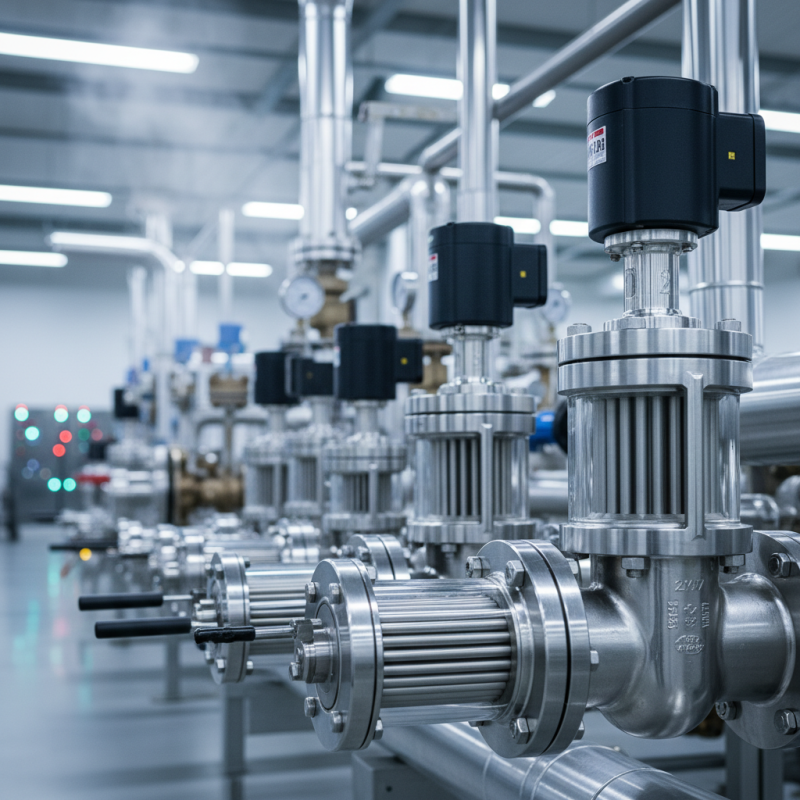
Modern Din bellows sealed valves have become essential in various applications due to their unique design and functionality. These valves provide excellent sealing performance, preventing leakage in critical processes. The bellows mechanism allows for minimal wear, extending the valve's lifespan. This durability is vital in industries where reliability is key.
One of the most appealing features is their ability to work in extreme temperatures and pressures. They can handle corrosive substances without compromising integrity. This versatility makes them suitable for chemical processing, food production, and other demanding environments. However, users must regularly inspect these valves to ensure optimal performance, as wear can still occur over time.
Additionally, the maintenance of bellows sealed valves can become a challenge. While they are designed to last, neglect can lead to issues that impact efficiency. Paying close attention to operational conditions is crucial. Sometimes, the design can complicate repairs. This is a reminder that even the best technology requires regular oversight.
Top Manufacturers of Bellows Sealed Valves in 2026
When considering bellows sealed valves in 2026, it's crucial to focus on top manufacturers. These companies drive innovation and offer superior products. They concentrate on engineering, durability, and performance. Each manufacturer brings unique strengths to the market.
Understanding the features of these valves is essential. They often prevent leaks and ensure safety in various applications. However, not all manufacturers utilize the same materials or technologies. Some may prioritize cost over quality, leading to potential issues. Durability is a primary consideration when selecting the right valve supplier.
It’s vital to research and compare options. Some manufacturers excel in specific industries, while others cover a broad range. Make sure to check industry reviews and user feedback. This ensures you choose the right manufacturer for your needs. Decisions can influence performance in critical applications, so careful consideration is paramount.
Selection Criteria for Choosing the Right Bellows Sealed Valve
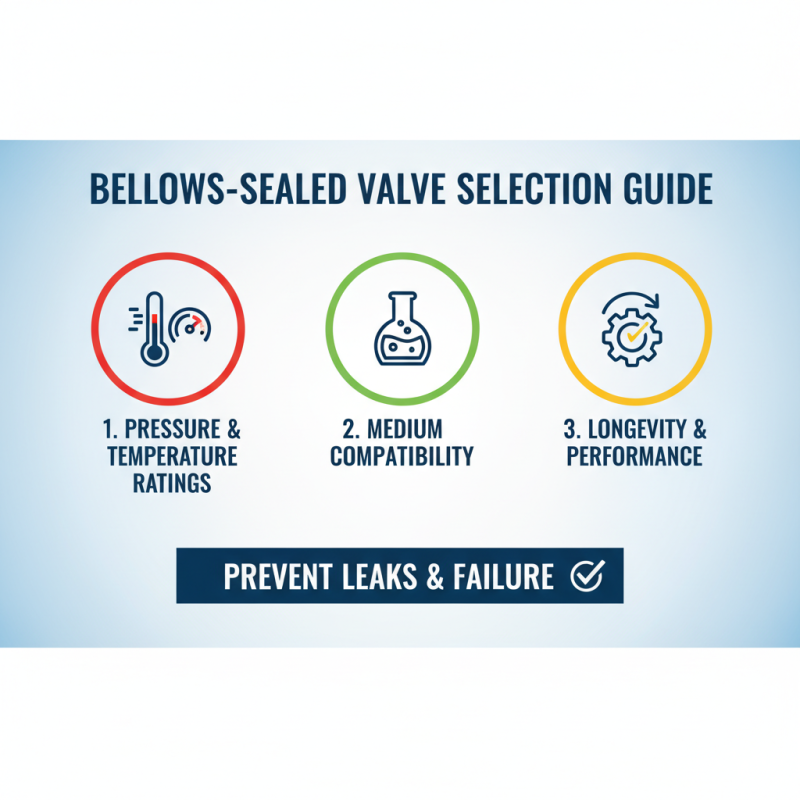
When selecting a bellows sealed valve, several criteria should shape your decision. Evaluating the pressure and temperature ratings is crucial. These specifications dictate how the valve performs under various conditions. A mismatch can lead to leaks or failure. Also, consider the medium the valve will handle. Some materials are incompatible with certain fluids. Understanding the specifics ensures better longevity.
Another important factor is the design and size of the valve. The right size ensures proper flow and minimizes pressure drops. If the valve is too large or too small, operational issues may arise. It's also essential to account for installation space and orientation. Not all valves fit neatly in every environment. A bulky design in a tight space can lead to frustrations.
Moreover, reflect on your maintenance needs. Bellows sealed valves can require different levels of upkeep. Some may need frequent inspections, while others are low-maintenance. Budgeting for long-term care is vital. If your team lacks the resources, a more straightforward option may be prudent. This can prevent unexpected breakdowns and costly downtime.
Maintenance Tips for Enhancing Longevity of Bellows Sealed Valves
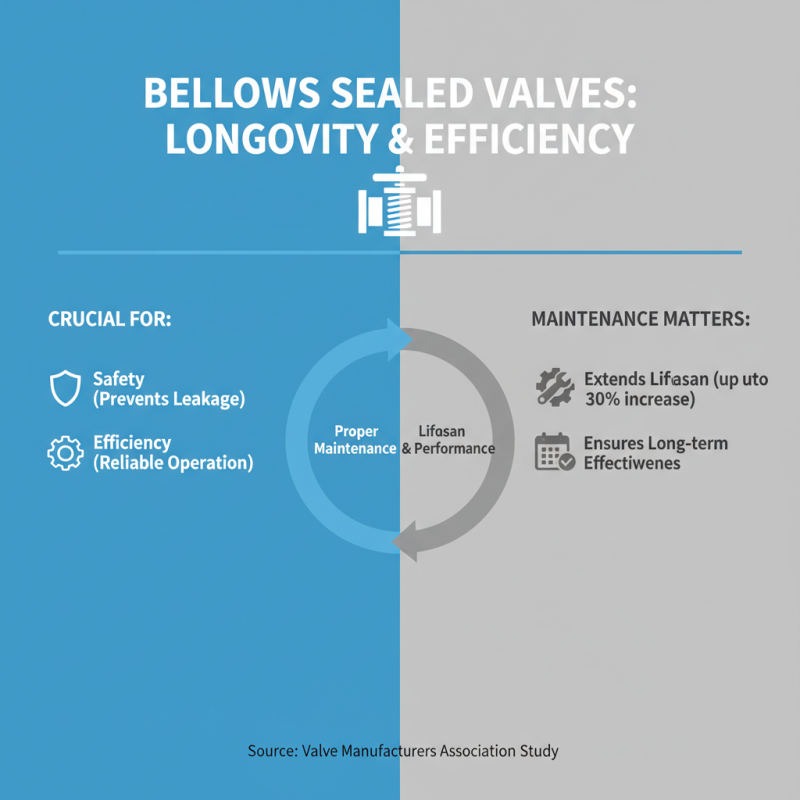
Bellows sealed valves are crucial in various industrial applications. Their design prevents leakage, ensuring safety and efficiency. However, maintenance is often overlooked. Regular upkeep directly impacts their longevity and effectiveness. A study by the Valve Manufacturers Association reported that proper maintenance can extend valve lifespan by up to 30%.
Consider the sealing elements. They require periodic inspection for wear. A simple visual check can identify cracks or deformities. In environments with high temperatures or pressure fluctuations, wear can accelerate quickly. Not replacing worn parts can lead to failures, causing costly downtimes. Aim for a maintenance schedule that complies with industry standards. This may include lubrication and cleaning to ensure optimal performance.
Another area to focus on is environmental conditions. Corrosive liquids or extreme temperatures can drastically affect a valve's lifespan. An estimated 25% of valve failures are linked to inappropriate environmental factors. Regular monitoring can mitigate these risks. Implementing a proactive maintenance strategy pays off in the long run. Keep in mind, even minor issues can escalate if left unaddressed. Focus on maintaining these valves for enhanced functionality and durability.




 Zalo
Zalo