





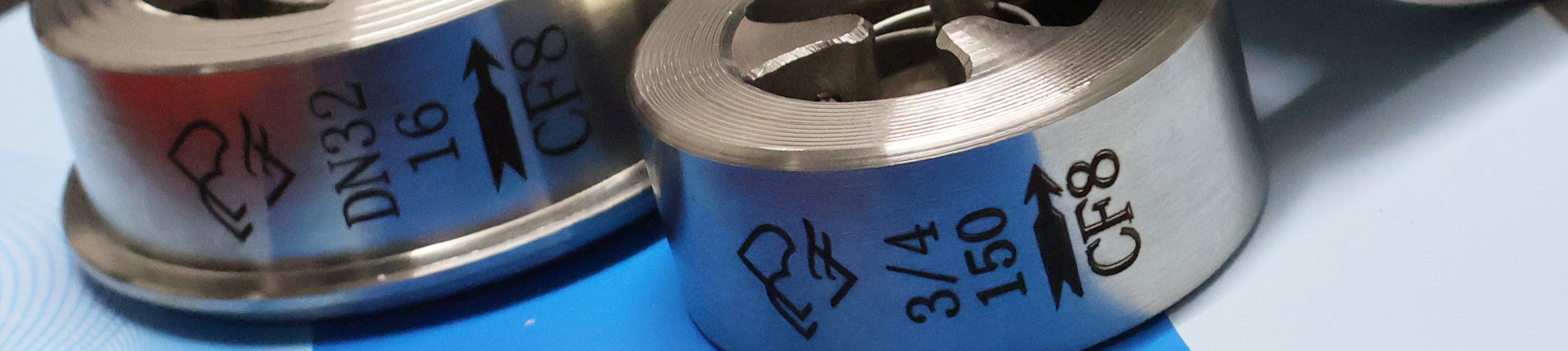
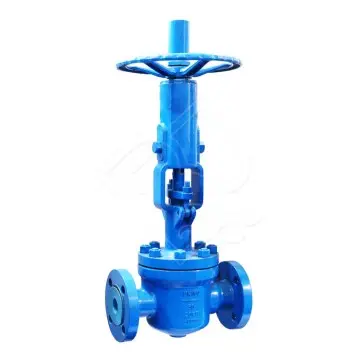
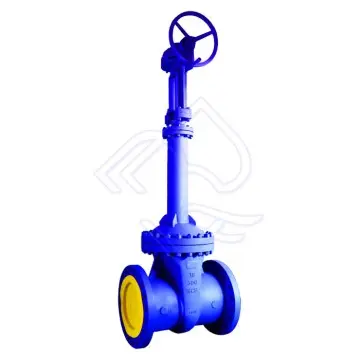
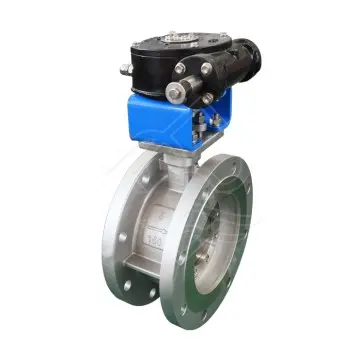


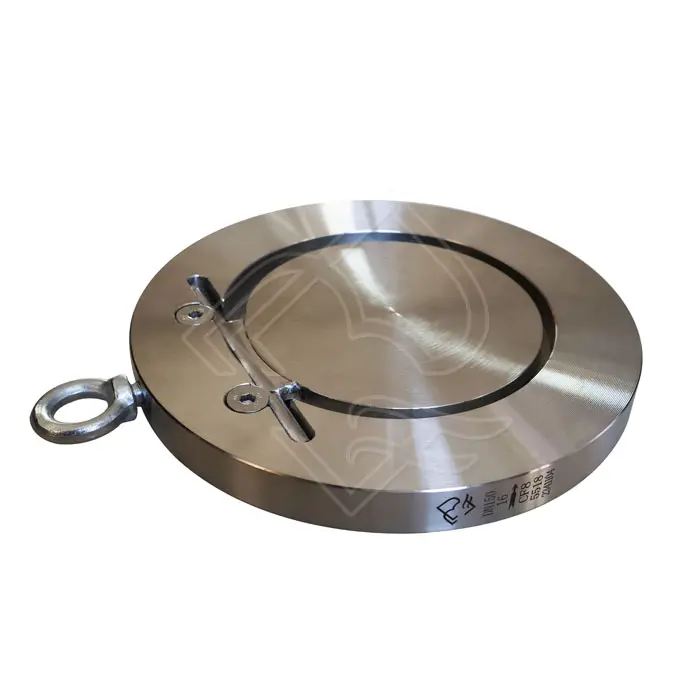
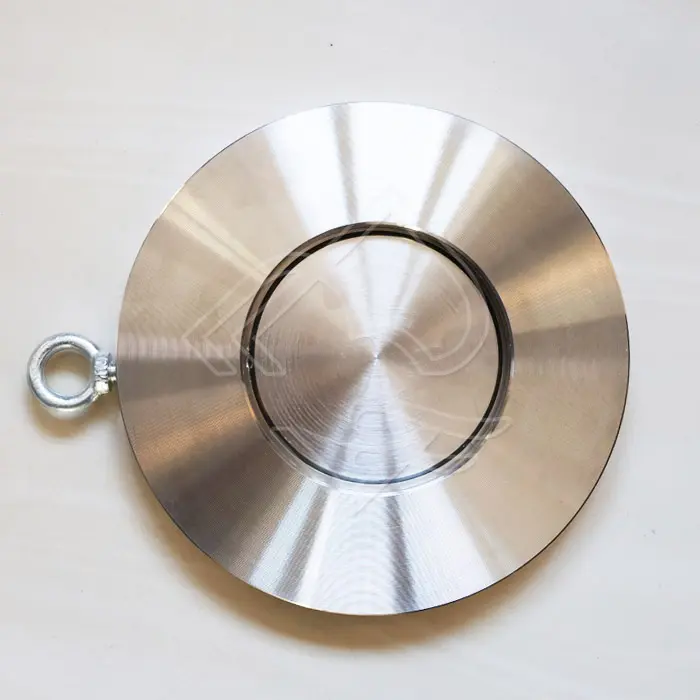
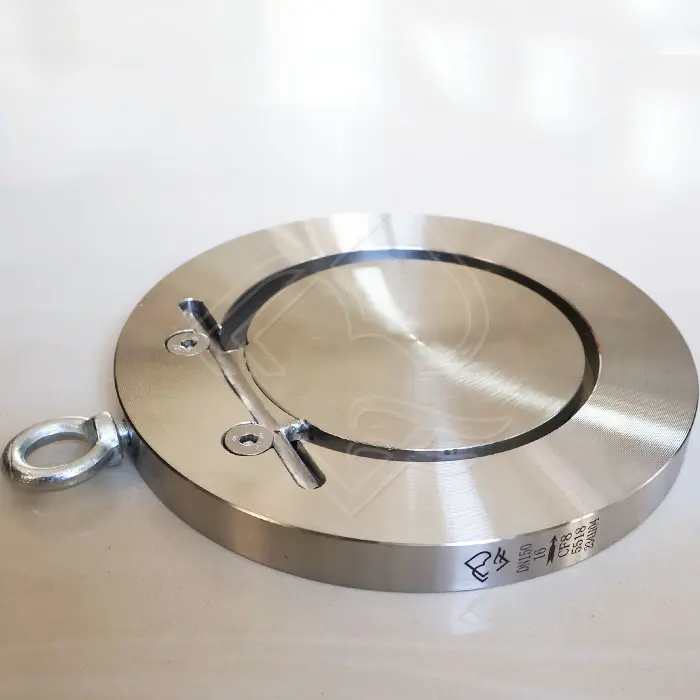
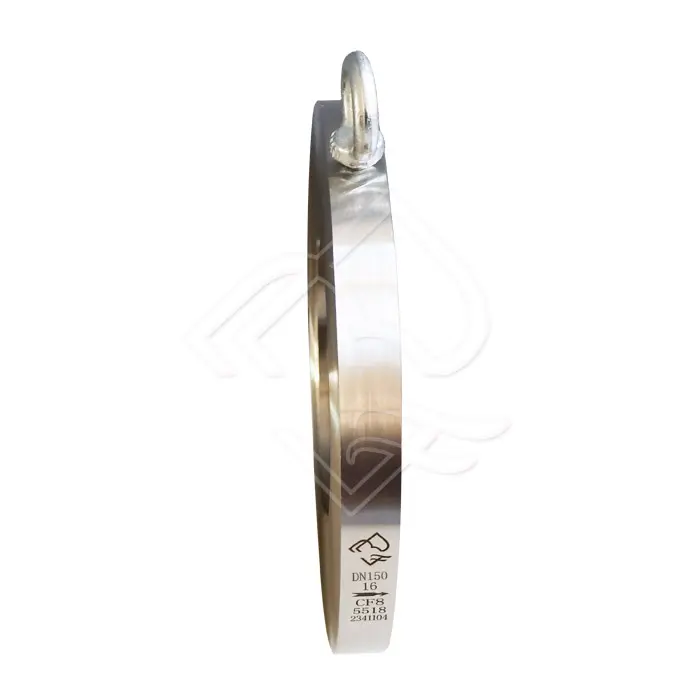
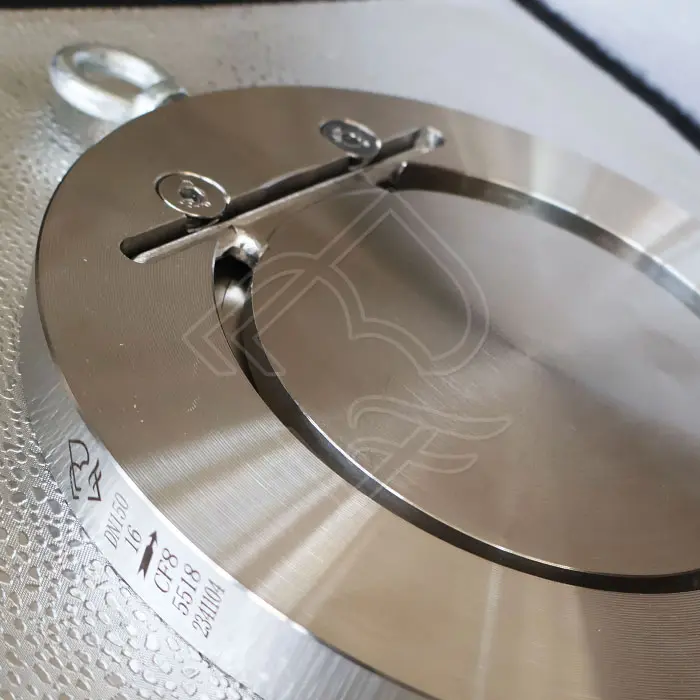
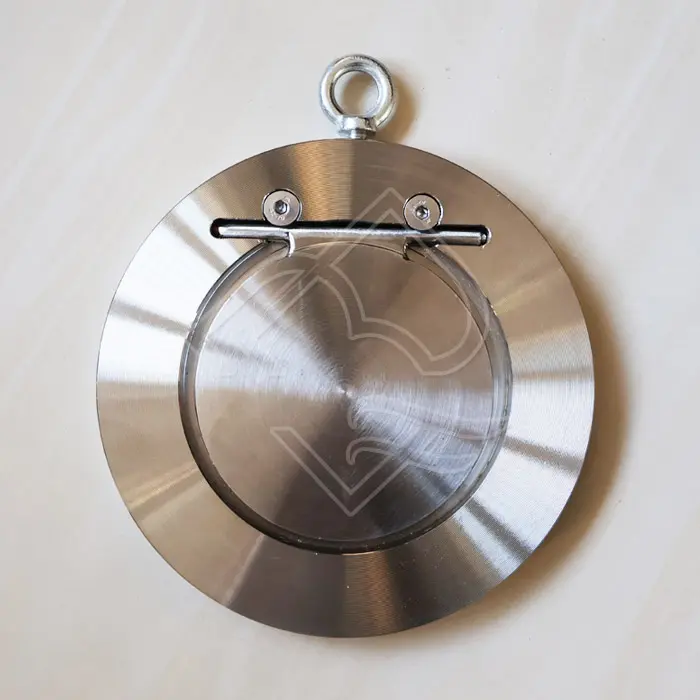
API 594 THIN SINGLE DISC SWING TYPE WAFER CHECK VALVE
1.Brief Introduction
2.Overview of API 594 Standard
API 594, published by the American Petroleum Institute, specifies the design, materials, dimensions, pressure ratings, testing, and inspection requirements for check valves used primarily in petroleum and natural gas industries. The standard ensures interchangeability, safety, and consistent performance across manufacturers.
Key aspects governed by API 594 include:
Valve types: swing, lift, tilting disc, and dual-plate check valves
End connections: wafer, lug, and flanged
Pressure classes: typically ASME Class 150, 300, 600, 900, 1500, and 2500
Face-to-face dimensions for compact installations
Shell and seat pressure testing
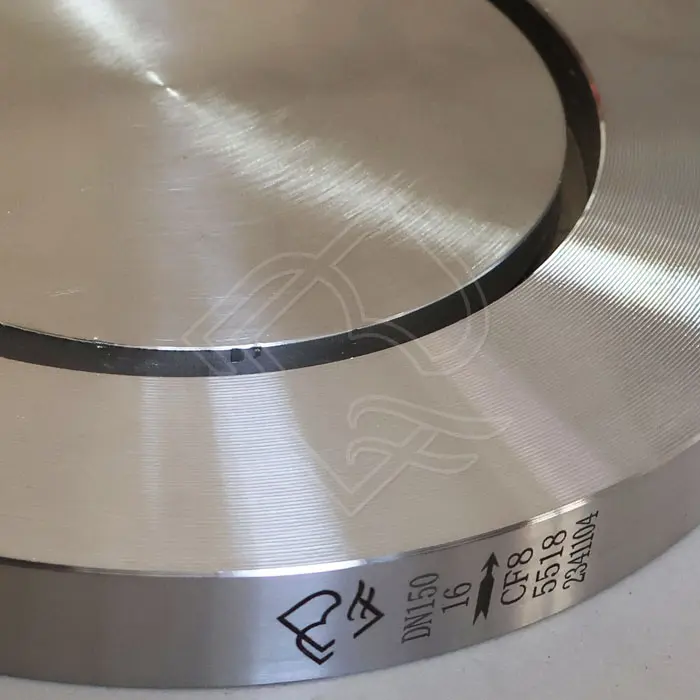
Marking and documentation requirements
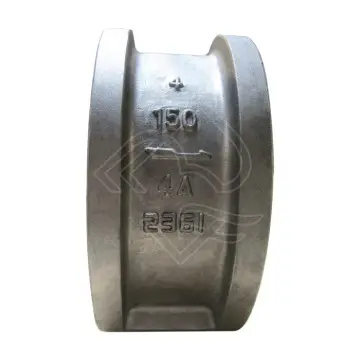
The thin single disc swing type wafer check valve falls under the swing check valve category, with a reduced face-to-face dimension compared to conventional flanged swing check valves.
3.Design and Construction
3.1 Wafer Body Design
The wafer-style body is designed to be installed between two pipeline flanges without the need for additional bolting flanges on the valve itself. This construction significantly reduces valve weight, overall cost, and installation space. The thin body profile is particularly advantageous in compact piping layouts and skid-mounted systems.
The body is typically a one-piece or two-piece casting or forging, precision-machined to ensure correct alignment between the flanges. Centering lugs or tabs may be provided to assist with proper installation.
3.2 Single Disc Swing Mechanism
The valve features a single swing disc that rotates about a hinge pin or shaft. The disc opens when upstream pressure exceeds downstream pressure and closes automatically when flow decreases or reverses.
Key disc characteristics include:
Smooth contoured profile to minimize pressure drop
Hinged design allowing full opening at relatively low flow velocities
Metal-to-metal or soft seat interface depending on service requirements
3.3 Hinge Pin and Disc Arm
The hinge pin is a critical component that supports the disc and ensures smooth swinging action. It is usually made from hardened stainless steel or alloy steel to resist wear, corrosion, and fatigue. In high-performance designs, bushings or bearings may be incorporated to reduce friction and extend service life.
3.4 Seating Arrangement
API 594 thin single disc swing wafer check valves may be supplied with:
Metal seat (integral or renewable)
Soft seat (PTFE, elastomer, or other polymers)
Metal-seated valves are preferred for high-temperature, high-pressure, and abrasive services, while soft-seated designs offer enhanced sealing performance in low-pressure systems.
4.Working Principle
The working principle of a thin single disc swing wafer check valve is straightforward and self-actuated:
When fluid flows in the forward direction, pressure pushes the disc away from the seat.
The disc swings open around the hinge pin, allowing full flow through the valve.
As flow velocity decreases, gravity and/or backpressure cause the disc to move toward the closed position.
In the event of flow reversal, the disc quickly swings back onto the seat, preventing reverse flow.
This simple mechanism requires no external power or control system, making the valve inherently reliable and low-maintenance.
5.Materials of Construction
Material selection for API 594 thin single disc swing wafer check valves depends on service media, pressure, temperature, and corrosion requirements. Common materials include:
5.1 Body Materials
Carbon steel (ASTM A216 WCB)
Low-temperature carbon steel (ASTM A352 LCB, LCC)
Alloy steel (ASTM A217 WC6, WC9)
Stainless steel (ASTM A351 CF8, CF8M)
Duplex and super duplex stainless steels
5.2 Disc and Hinge Components
Stainless steel (410, 304, 316)
Alloy steel with hardfacing
Duplex stainless steel for aggressive environments
5.3 Seat Materials
Integral body seat (carbon steel or stainless steel)
Hardfaced alloys (Stellite or equivalent)
Soft seat inserts (PTFE, reinforced PTFE, elastomers)
Proper material compatibility ensures long-term performance and compliance with API 594 and ASME pressure-temperature ratings.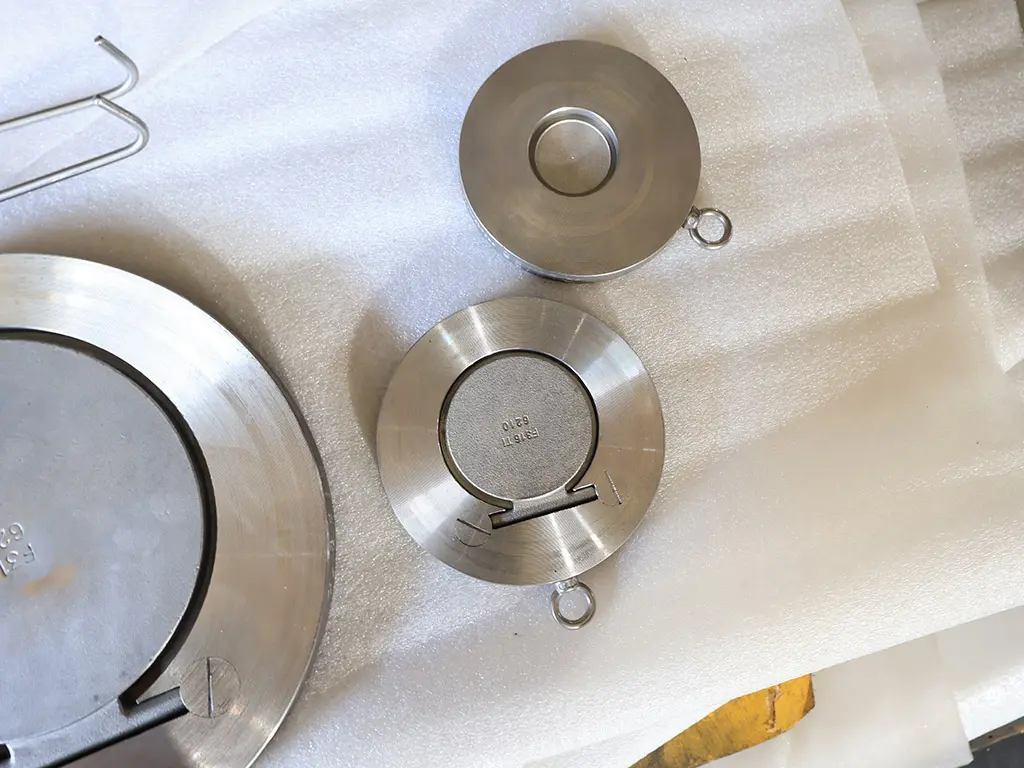
6.Pressure Ratings and Size Range
API 594 thin single disc swing wafer check valves are typically available in:
Sizes: NPS 2 to NPS 48 (and larger upon request)
Pressure classes: ASME Class 150, 300, 600, and higher depending on design
The wafer design allows the valve to meet pressure class requirements while maintaining a reduced face-to-face dimension compared to conventional flanged check valves.
7.Advantages of Thin Single Disc Swing Wafer Check Valves
7.1 Compact and Lightweight
The thin wafer body significantly reduces valve weight and space requirements, making handling and installation easier, especially in large-diameter piping systems.
7.2 Cost-Effective
Compared to flanged swing check valves, wafer-type valves require less material and machining, resulting in lower overall cost.
7.3 Low Pressure Drop
The full-bore flow path and streamlined disc design minimize turbulence and pressure loss, improving system efficiency.
7.4 Simple and Reliable Operation
With few moving parts and no external actuation, the swing mechanism offers high reliability and long service life.
7.5 Versatile Installation
Wafer check valves can be installed between standard ASME flanges and are suitable for both horizontal and vertical piping (subject to orientation guidelines).
8. Limitations and Considerations
Despite their many advantages, thin single disc swing wafer check valves have certain limitations:
Not ideal for pulsating or rapidly reversing flow, which may cause disc chatter
Closing speed depends on flow conditions and gravity, potentially leading to water hammer in some systems
Less suitable for very low-flow applications where the disc may not fully open
Proper valve selection and system analysis are essential to mitigate these issues.
9.Typical Applications
API 594 thin single disc swing type wafer check valves are widely used in:
Oil and gas pipelines
Refineries and petrochemical plants
Power generation (steam, condensate, and cooling water)
Water supply and wastewater treatment
Chemical processing industries
Marine and offshore installations
They are particularly well-suited for services where space constraints and weight reduction are critical.
10. Inspection and Testing
In accordance with API 594, each valve must undergo:
Shell pressure test
Seat leakage test
Visual and dimensional inspection
Optional non-destructive testing (NDT), such as radiography, ultrasonic testing, or magnetic particle inspection, may be specified depending on service requirements and project specifications.
11. Installation and Maintenance Considerations
11.1 Installation Guidelines
Ensure correct flow direction as indicated by the arrow on the valve body
Verify flange alignment to avoid body distortion
Use appropriate gaskets compatible with service conditions
Tighten flange bolts evenly to recommended torque values
11.2 Maintenance
Thin single disc swing wafer check valves generally require minimal maintenance. Periodic inspection of the disc, hinge pin, and seat is recommended, especially in abrasive or corrosive services.